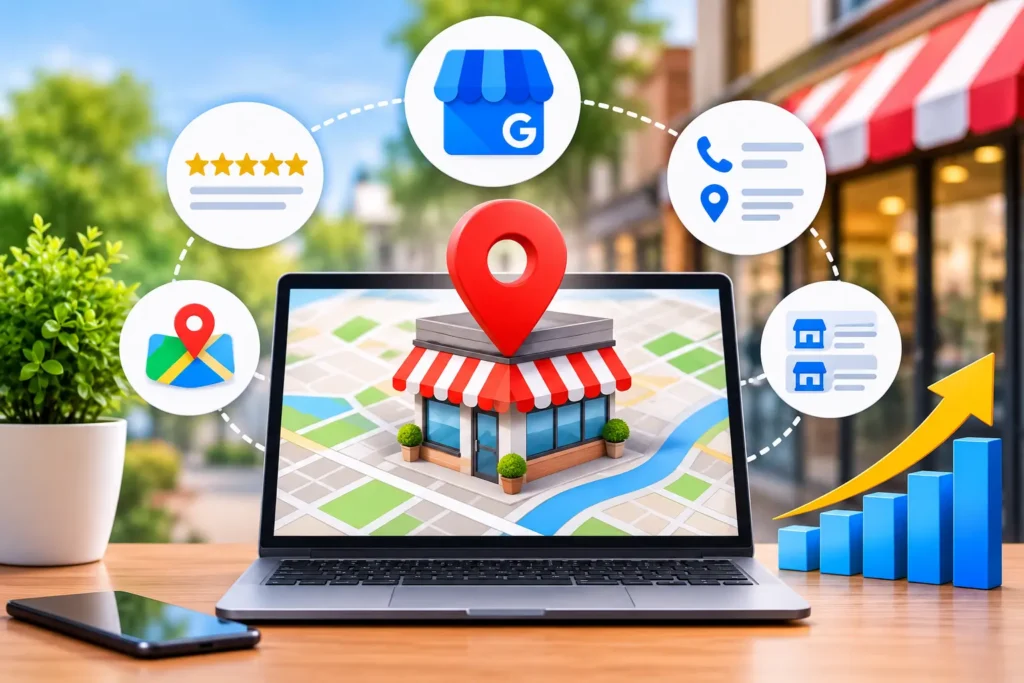
Your website may look great, and your service may be excellent, yet nearby customers still can’t find you. The hidden cause is inconsistent business listings scattered across the web. These listings are called local citations, which quietly shape whether search engines and AI tools trust your business. However, local search no longer works the way it used to. For instance, AI tools are becoming the first step in local discovery, and Google Business Profile and reviews now carry the largest share of local pack ranking influence. Both shifts have changed what citations do for your business. That’s why we have this guide that explains in detail what local citations are, how to build and manage them today, and which mistakes to avoid.
At a Glance: Local Citations and Their RelevanceYes, local citations still matter, though their role has shifted. Google Business Profile, reviews, and proximity now carry the most weight in local rankings, while consistent name, address, and phone details help search engines and AI tools confirm a business is real. Always build relevant listings, then keep every detail updated. |
What Are Local Citations?
A local citation is any online mention of your business’s name, address, and phone number (NAP) on directories, websites, apps, or social platforms. Search engines and AI tools use these mentions to confirm that your business exists, is active, and operates where you say it does. A citation doesn’t need any link to your website. Even a plain-text mention counts. What matters most is that your NAP details are identical everywhere they appear.
Types of Local Citations
Citations fall into two main groups, and a healthy local presence includes both:
| Type | Examples | Value |
| Structured | Google Business Profile, Yelp, Apple Maps, Bing Places | These are core trust signals used directly by search engines and map apps |
| Unstructured | News mentions, local press, community sites, blog posts | They help to build local authority and real-world credibility |
| Not Sure Where Your Business Details Appear Online?
Our team finds every mention of your name, address, and phone number, so you know exactly what’s wrong or missing. |
Do Local Citations Still Matter?
Yes, but they work as a trust and consistency signal, not a magic ranking lever. Your Google Business Profile, reviews, and proximity now carry more weight as Google favors businesses that are active, close to the searcher, and well-reviewed. Reviews also help to shape real customer decisions. For example, Harvard Business School research found that a one-star increase in a Yelp rating led to a 5-9% increase in revenue for independent restaurants. Shoppers trust what they can verify, so strong reviews work best when your business details also look accurate and consistent wherever people find you.
What hasn’t changed, though, is that consistent NAP data still helps search engines and AI tools like Google AI Overviews, ChatGPT, Perplexity, and Gemini verify that your business is real and active.
How to Build and Manage Local Citations Today
Audit What Already Exists
Search your business name and phone number to see where you already appear and record what each listing says, then correct any mismatches before adding anything new. This way, fresh citations don’t repeat old errors.
Claim the Core Platforms First
Google, Apple, Bing, Yelp, and Facebook are typically where customers and search tools look first. Claim each one, complete every available field, and treat these profiles as the foundation for everything else you build.
Find Industry and Local Directories Through Competitors
You can also check which directories your top map-pack competitors appear on, then add the relevant ones. For example, a law firm belongs on legal directories, a restaurant on dining sites, and every local business on its chamber of commerce.
Earn Mentions Beyond Directories
Remember to pitch local newspapers, community blogs, and industry associations for a feature or mention. AI tools draw on independent sources like these when describing local businesses, and even an unlinked mention of your name and location counts.
Get Featured on “Best Of” Lists
Local awards, editorial guides, and curated roundups of top businesses in your category and area carry weight with AI search tools, which weigh third-party recommendations. So, submit your business or contact the publishers directly to get featured.
Update Details the Moment They Change
Whenever your hours, services, or addresses change, update every listing within days. Also, between changes, review your listings on a set schedule so outdated details never linger long enough to confuse customers or search engines.
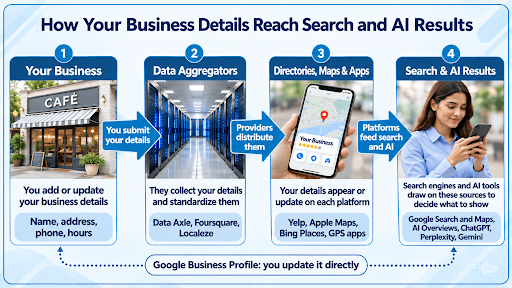
How Local Citation Data Reaches Search and AI Results
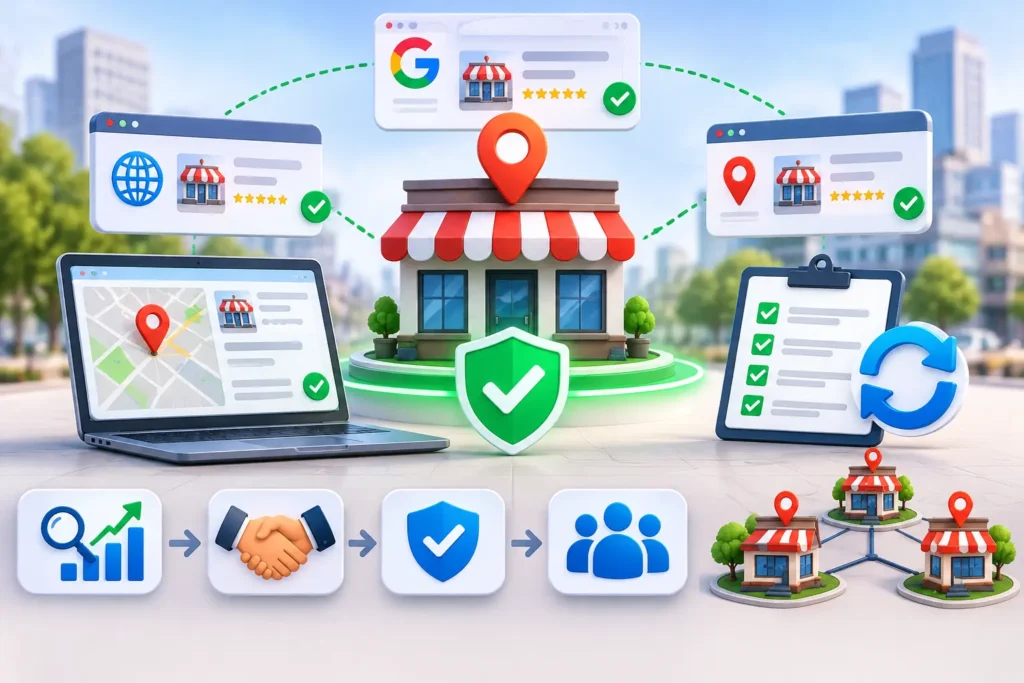
After you claim and update your listings, data providers collect those details and pass them on to directories, maps, and apps. Search engines and AI tools then draw on these sources when deciding which businesses to show.
Common Local Citation Mistakes to Avoid
Even with the right approach, some missteps can still hurt you. These include:
- Stuffing keywords into your business name. Adding services or cities may look like a shortcut, but it breaks Google’s guidelines and creates mismatches with your real name on other listings.
- Hiding a customer-facing address. Google’s guidelines ask service-area businesses to hide their address. But if customers visit your premises, hiding it can weaken local visibility and make your listings look incomplete.
- Not checking what AI says about you. Ask tools like ChatGPT, Gemini, etc. about your hours, address, and services regularly. Trace any wrong answer back to the outdated listing feeding it.
- Buying bulk citation packages. Be careful with services that promise hundreds of listings for one low price. Many add irrelevant or poor-quality directories that don’t build trust and are hard to fix later.
Conclusion
Local citations rarely get the spotlight, yet they quietly decide whether customers trust what they find. Treat them as steady upkeep, and your business stays easy to find, check, and choose. If you are looking for professional help, Think Shaw can build and maintain your citations across the directories that matter in your industry, so your details stay consistent without the legwork.
| Wrong listings send your customers elsewhere. Hand your citations to Think Shaw, and make every nearby search lead to your business. |
FAQs: About Local Citations
What is the difference between a local citation and a backlink?
Citations mention your name, address, and phone number. Backlinks are clickable links to your website. A page can provide both.
How many local citations does my business need?
There’s no set number. Your market and competition decide it, so focus on accurate, relevant listings rather than chasing numbers.
Are these citations free or paid?
Claiming listings on Google, Bing, and Yelp is free. Costs come from paid directories, data aggregator submissions, or agencies handling it.
Do multi-location businesses need separate citations for each location?
Yes. Each location needs its own listings, address, and local phone number, with only one Google profile per location.
I run a small business. Do I also need local citations?
Absolutely. Even a single-location shop benefits. Start with a few accurate core listings, not dozens of neglected ones, then expand.