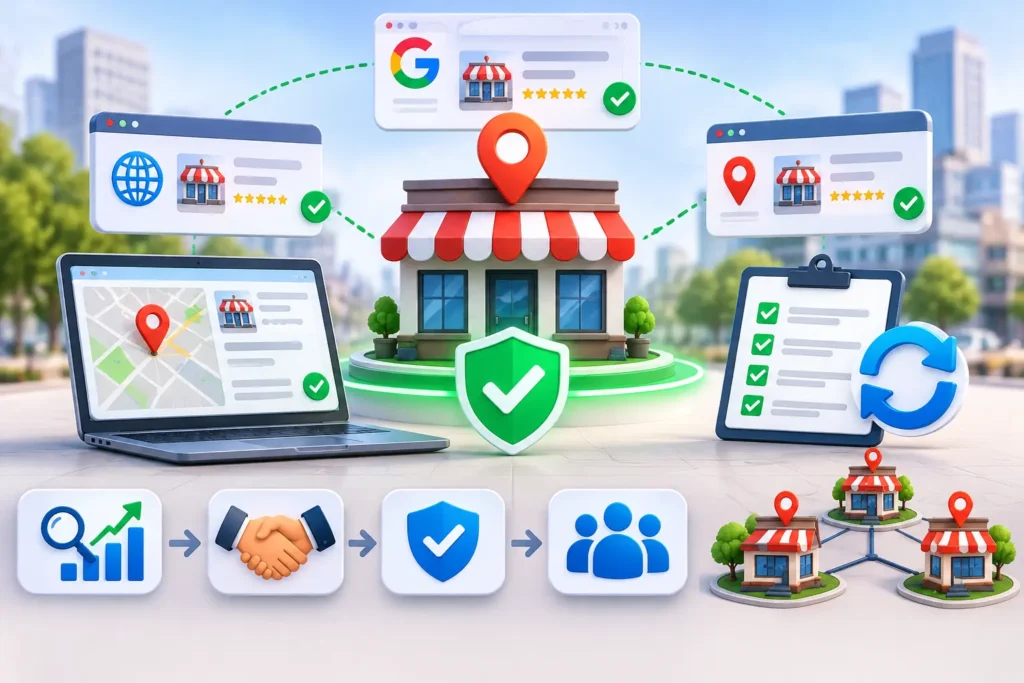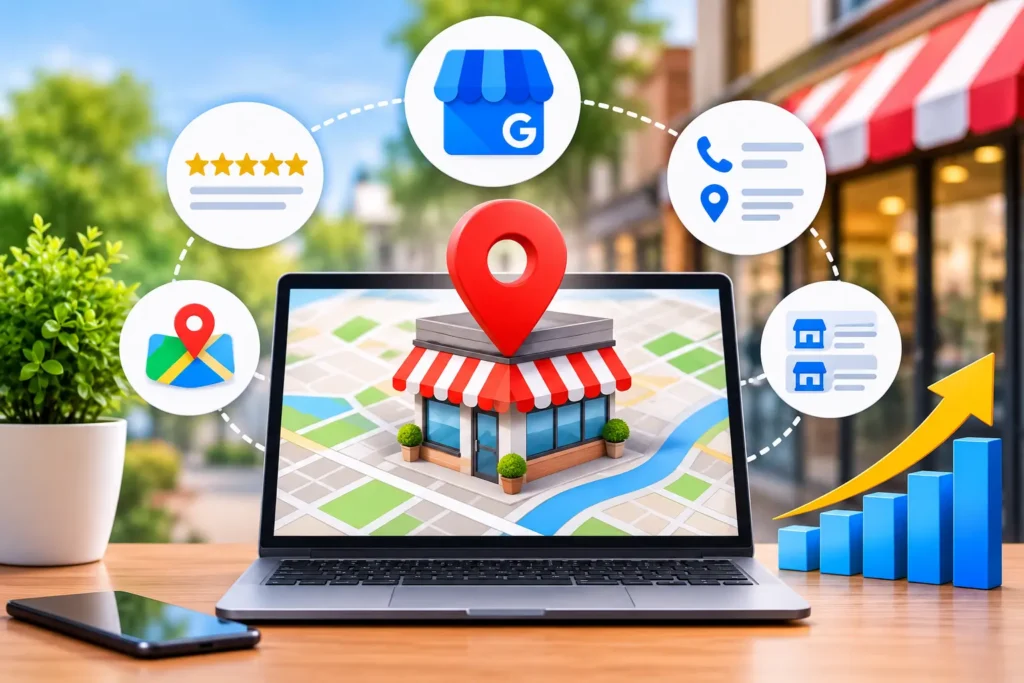
Why does one business rank prominently in local search results while another offering similar services struggles for visibility? The difference often lies in Google’s local ranking criteria. Local SEO ranking factors are the specific signals Google uses to evaluate and determine which businesses appear prominently in location-based search results. However, appearing in the local pack, Google Maps, and organic search results involves different signals, making it important to distinguish what influences each placement. So, for businesses competing in specific service areas, knowing which factors matter can help prioritise SEO efforts rather than relying on outdated optimisation practices. This guide, here, examines the key ranking considerations, explains their practical importance, and helps you identify where to focus your local SEO strategy.
Local SEO Ranking: Key InsightsLocal SEO rankings depend on Google’s relevance, distance, and prominence signals, influencing visibility across Google Maps, the local pack, and organic results. Accurate Business Profiles, appropriate categories, genuine customer reviews, authoritative local backlinks, and consistent business listings strengthen local search presence. Understanding the differences between local pack and organic rankings helps businesses prioritise optimisation. Tracking search engagement and working with a focused SEO strategy can turn local visibility into qualified enquiries and customers. |
What Is Local SEO Ranking and How Does It Work?
Local SEO ranking refers to the position a business holds in Google’s search results when users look for products or services within a specific location. Google evaluates several signals to determine which businesses best match a searcher’s query and location. These include:
- Relevance: How closely a business’s profile and website match the search query.
- Distance: How near the business is to the searcher’s location or specified area.
- Prominence: How established and recognised the business is, based on factors such as reviews, links and online mentions.
A business’s position can vary depending on the searcher’s location and the relevance of its profile to the query. Google combines these signals rather than following a fixed ranking formula, so a nearby business may still rank below a more relevant or prominent competitor.
What Are the Key Local SEO Ranking Factors in 2026?
Google Business Profile Optimisation
An accurately maintained Google Business Profile gives Google essential information about a business, including its primary category, services, address, operating hours, and service areas. Selecting the most specific primary category is particularly important because it helps Google associate the business with relevant searches. Regularly updating service details, holiday hours, contact information, and business attributes also prevents outdated information from weakening its local search relevance.
Primary and Secondary Business Categories
Business categories help Google understand what a company primarily offers and which additional services it provides. Thus, the primary category should represent the business’s main activity rather than a broad industry description. However, the secondary categories should reflect genuine additional services, not unrelated keywords added to attract more searches.
Review Quality, Quantity, and Recency
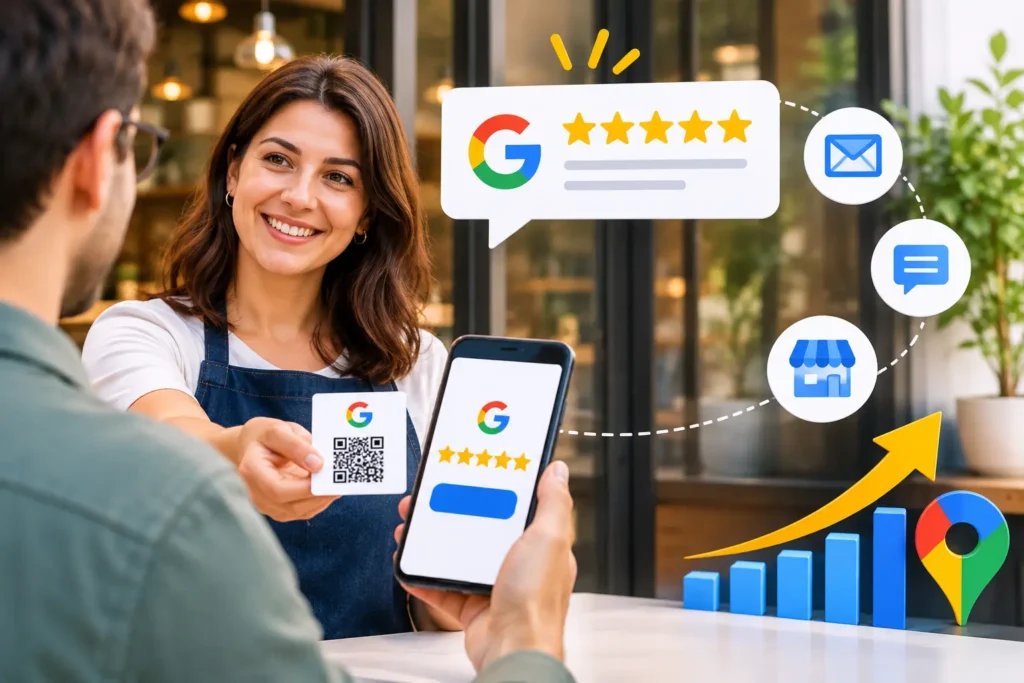
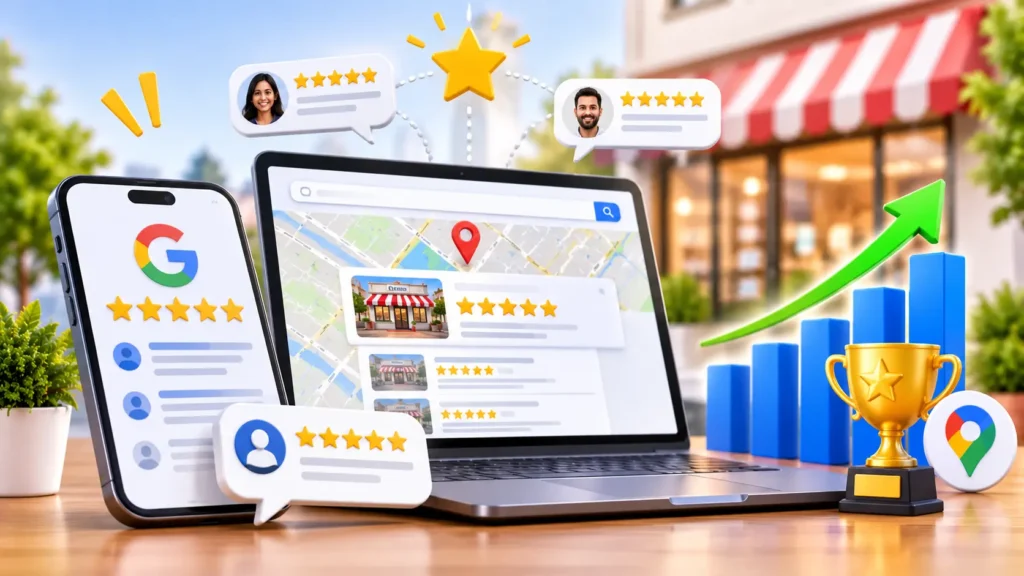
When considering the local SEO ranking, customer reviews play an important role that provide useful information about a business’s reputation and customer experience. Google considers review scores and the number of reviews as part of prominence. A consistent flow of genuine customer feedback can strengthen credibility more effectively than collecting a large number of reviews in a short period. Additionally, businesses should also respond to reviews professionally, addressing specific feedback rather than relying on generic replies. Google’s official review management guidelines encourage businesses to request authentic customer feedback, respond to reviews, and value honest opinions.
Local Backlinks and Website Authority
Links from locally relevant and industry-related websites help establish your business’s credibility more than its own website. The quality and relevance of these referring websites matter more than simply accumulating large numbers of links. Such references also help strengthen the website’s overall authority in organic search.
NAP Consistency Across Online Directories
Your business name, address, and phone number (NAP) should remain accurate across important online directories, industry listings, and your website. The differences, such as an outdated phone number, an old business address, or inconsistent business details, can create uncertainty about which information is correct. So it is necessary to review major listings regularly, update incorrect records, and ensure your contact information matches your verified business details.
Search Engagement and User Interactions
How people interact with local search results is another area examined in local SEO research. Actions such as clicking a business listing, requesting directions or visiting its website indicate how users engage with search results. These behaviours are included in practitioner research, although Google does not publicly confirm their individual ranking weight. Businesses should therefore prioritise accurate listings, useful information and clear contact options rather than attempting to manipulate engagement metrics.
Google’s official local ranking guidelines explain how relevance, distance, and prominence work together to determine local search visibility. These broader considerations connect the individual ranking factors discussed above and help businesses understand why a balanced optimisation strategy matters.
| Improve your local search performance with Think Shaw’s local SEO services. From Google Business Profile optimisation to location-focused website improvements, we help businesses build stronger local visibility and attract qualified leads. |
How to Measure Local SEO Performance Beyond Rankings
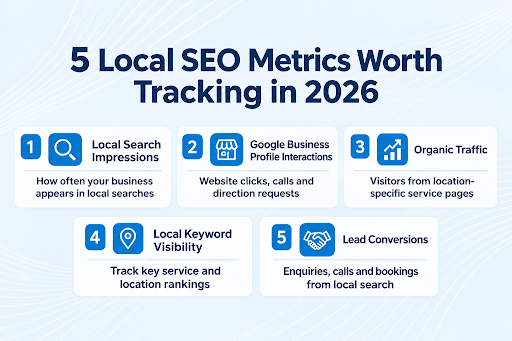
Local SEO success involves more than securing a prominent position in search results. Understanding its broader business impact requires looking at how local search efforts translate into meaningful audience interactions and measurable outcomes.
How Do Local Pack Rankings Differ from Local Organic Rankings?
Local pack rankings and local organic rankings serve different purposes within Google’s search results. The local pack highlights nearby businesses through a map and business profiles, while organic results display relevant website pages that answer the search query. Although both aim to connect users with relevant local services, they rely on different ranking signals and optimisation approaches.
| Comparison Point | Local Pack Rankings | Local Organic Rankings |
| Search Result Format | Displays a map with selected business profiles, usually showing business names, ratings, addresses, and other listing details. | It shows website pages with titles, URLs, and descriptions that match the user’s search intent. |
| Primary Ranking Signals | Relies heavily on relevance, distance, and prominence when selecting businesses for local results. | Evaluates page relevance, content quality, website authority, backlinks, and technical SEO signals. |
| Google Business Profile | Plays a central role because Google uses business profile information to identify and evaluate local businesses. | Not a direct requirement. Businesses can rank organically even without a Google Business Profile. |
| Location Proximity | The searcher’s location can significantly influence which businesses appear, even when the search query does not mention a city. | Location relevance matters, but individual pages can rank for location-specific searches beyond the business’s immediate physical proximity. |
| Main Optimisation Focus | Maintain accurate profile details, choose relevant categories, manage reviews, and strengthen local business prominence. | Improve landing pages, publish useful content, build relevant backlinks, and maintain sound technical SEO. |
Conclusion
Strengthen your local search presence with a strategy built around measurable business goals. To offer you this, Think Shaw helps businesses identify local SEO gaps, refine their website’s location relevance, improve Google Business Profile performance, and develop authoritative local search signals. From competitor analysis and citation audits to location-focused optimisation and performance tracking, our team builds practical SEO strategies that help your business attract qualified local visitors and turn search visibility into meaningful enquiries.
| Turn local rankings into qualified leads. Our team provides competitor analysis, local keyword targeting, business listing improvements, and website optimisation to help your business reach relevant customers across its service areas. |
FAQs
How long does it take to improve local SEO rankings?
Local SEO improvements may take weeks to show measurable movement, while competitive markets often require several months of consistent work.
Does mobile website performance matter for local SEO?
A mobile-friendly website makes service information and contact options easier to use, supporting visitors who discover you through local search.
Do photos help improve local search visibility?
Add genuine photos of your premises, team, products, and completed work so customers can assess your business before contacting you.
Should businesses create separate Google Business Profiles for multiple locations?
Each staffed location can have its own profile if it has a distinct address and operates independently during stated hours.
How does voice search affect local SEO rankings?
Voice searches often use conversational phrases such as service availability or nearby options, making natural language and clear answers valuable for discovery.