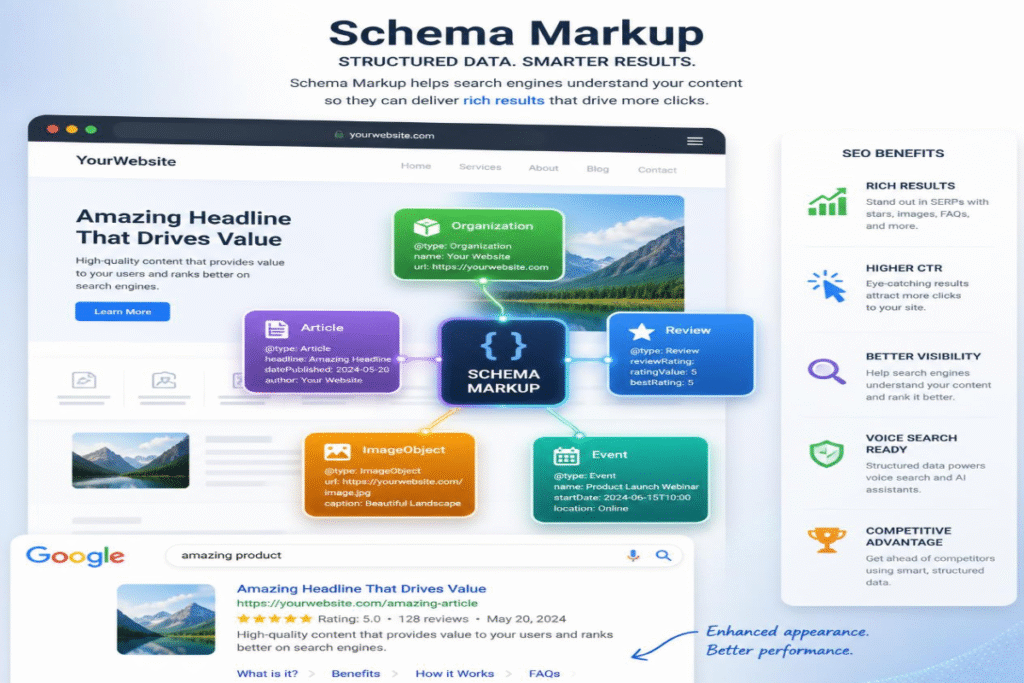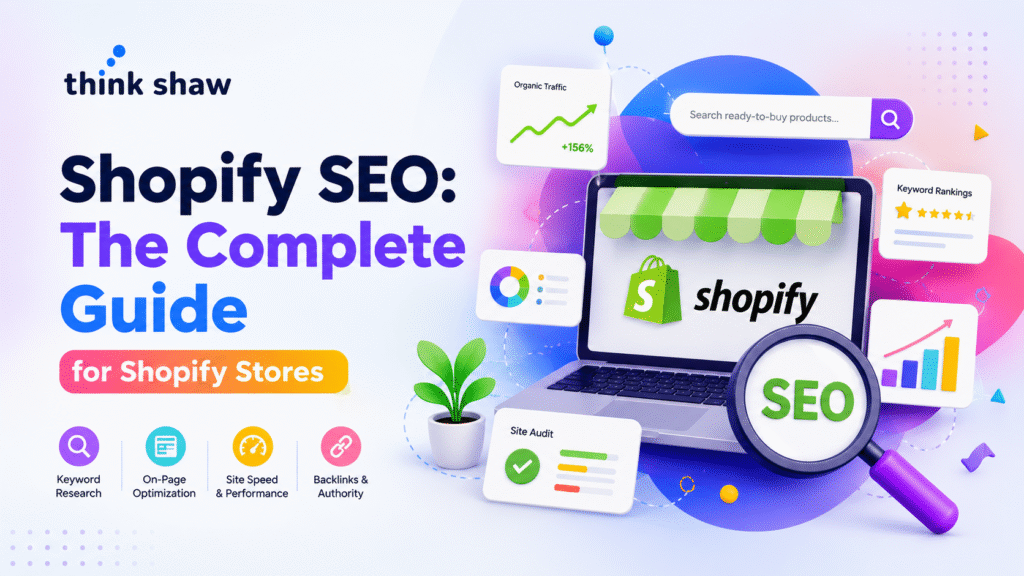
Effective Shopify SEO focuses on optimizing store architecture, product pages, and technical signals to improve visibility in search engines. It involves structured keyword mapping, clean URL design, schema implementation, and fast-loading themes tailored for ecommerce performance. A Shopify SEO Agency typically audits store data, identifies ranking gaps, and builds content strategies aligned with buyer intent.
Modern Shopify SEO prioritizes mobile responsiveness, internal linking, and conversion-focused optimization to ensure organic traffic turns into measurable sales growth for online retailers while continuously refining product metadata, blog content, and site performance metrics through ongoing analysis and competitor benchmarking to sustain long-term visibility and higher revenue potential in competitive ecommerce markets worldwide, consistently improving.
Shopify SEO Strategy OverviewShopify SEO combines technical optimization, site structure improvements, content development, and performance enhancements to strengthen organic search visibility. Effective implementation includes managing indexing signals, organizing crawl-friendly store architecture, refining URL structures, building strategic internal links, optimizing product images, and improving site speed. Content clusters further expand category relevance and topical authority, while avoiding common SEO mistakes helps maintain search performance. Together, these practices support stronger search engine recognition, increased qualified traffic, lower customer acquisition costs, improved brand credibility, and sustainable ecommerce growth for Shopify stores operating in competitive online markets. |
What Is Shopify SEO and Why Does It Matter for Your Store?
Shopify SEO is the process of optimizing a Shopify-based online store so that its product, collection, and content pages rank higher in search engine results for relevant keywords. It focuses on improving how search engines interpret and index Shopify’s built-in structure, including URLs, product variants, and automatically generated pages. Key activities include optimizing title tags, meta descriptions, and image alt text directly within the Shopify admin panel, as well as ensuring proper use of canonical tags to avoid duplicate content issues.
It also involves improving site architecture through internal linking between collections and products, submitting Shopify’s XML sitemap to search engines, and enhancing page speed for better crawl efficiency. Additionally, content optimization through keyword-rich product descriptions and supporting blog posts helps increase topical relevance and drive targeted organic traffic to boost sales.
Why Does It Matter?
It matters because it directly determines whether a store can attract qualified buyers without relying on paid ads. Most ecommerce traffic starts with search queries that reflect clear purchase intent, so ranking in those results can significantly influence sales volume and revenue stability. Strong SEO also helps a store compete with larger marketplaces by improving visibility for niche and long-tail searches, where competition is lower but conversion rates are higher.
It reduces customer acquisition costs over time by building a consistent stream of organic traffic instead of continuously spending on advertising. In addition, search engines reward stores that demonstrate relevance and trust, which strengthens brand authority and improves visibility across search features such as shopping results and rich listings, ultimately supporting long-term scalability and predictable growth. A professional Shopify SEO Agency can help identify opportunities that maximize these long-term benefits.
How to Do Shopify SEO Step by Step?
Manage Google Search Visibility and Indexing Signals
This step focuses on controlling how search engines interpret and prioritize your Shopify store pages. It includes reviewing indexing reports to detect low-value or duplicate URLs, setting canonical rules for variant pages, and ensuring only priority pages are submitted for indexing. You also refine robots directives to block irrelevant filter-generated URLs and validate that updated product or collection pages are being crawled efficiently for accurate search visibility.
Structure Your Shopify Store for Maximum Crawl Accessibility
This phase focuses on structuring Shopify pages to improve how search engines navigate your store. It involves grouping related products into tightly focused collections, reducing unnecessary category depth, and ensuring that priority pages are accessible within a few clicks. A strong site structure is a fundamental component of Shopify SEO because it helps search engines discover and evaluate important commercial pages more effectively.
Improve Store URLs for Clarity and Search Performance
At this point, the goal is to refine URL structure, so each page has a clean and meaningful format. This includes removing unnecessary parameters, eliminating auto-generated strings, and keeping paths consistent across products and collections. When changes are made, redirects are applied to preserve existing equity, ensuring search engines continue to associate updated URLs with their original ranking signals effectively.
Build SEO-Focused Internal Linking Pathways Across Pages
At this step, the focus is on building meaningful connections between related store pages using internal links. It involves linking complementary products, related collections, and supporting content through relevant anchor text that reflects page topics. Strategic internal linking helps distribute authority to important pages, reinforces topical relationships, and enables search engines to better understand content relevance throughout the store, contributing to stronger organic visibility.
Optimize Product Image for Search Engine Indexing
In this phase, attention is given to helping search engines accurately interpret and catalog product imagery. This includes using descriptive file names before upload, assigning attribute-focused alt text, maintaining consistent image dimensions across templates, and selecting formats that support efficient rendering. Proper image optimization increases the likelihood of products appearing in image-based search results while strengthening overall page relevance signals.
Improve Shopify Site Speed and User Experience Metrics
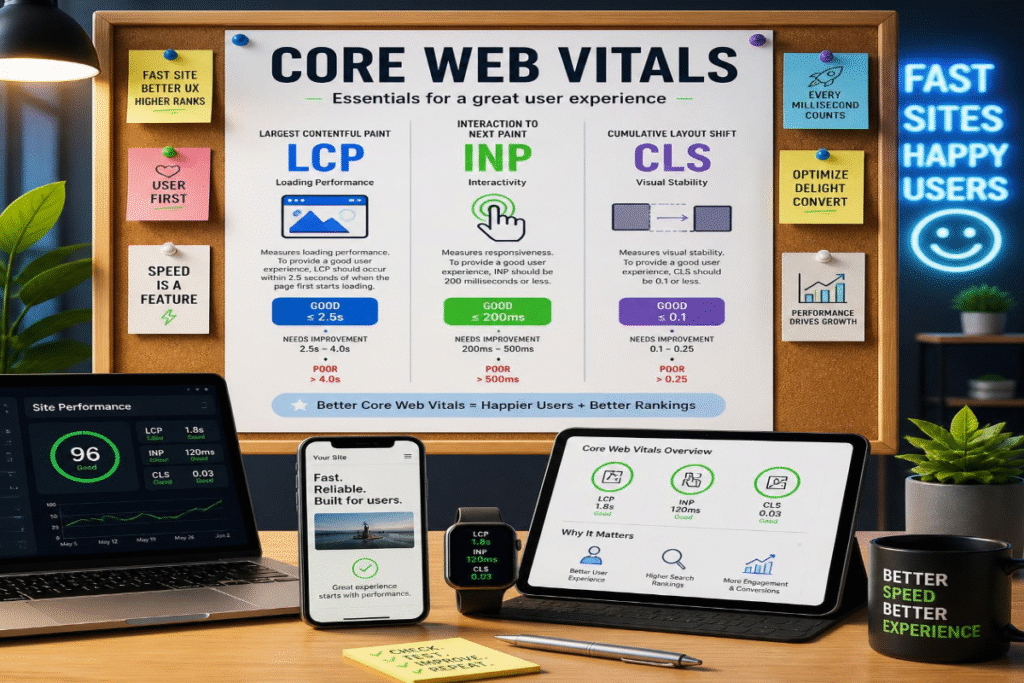
This process involves refining Shopify theme performance to ensure smoother page loading and user interactions. It includes optimizing theme code, reducing unnecessary script execution, limiting resource-heavy applications, and improving asset delivery efficiency. Performance testing helps identify delays that affect responsiveness and visual consistency. Addressing these issues enhances browsing quality, supports longer user sessions, and contributes to stronger search performance by creating a more reliable shopping experience.
Enhance Product Visibility Through Strategic Content Clusters
Building comprehensive content around product categories allows you to cover a wider range of related search topics. It includes creating detailed resources such as product comparisons, trend analyses, application-specific guides, and expert insights tailored to a particular category. Covering related themes in a structured manner helps demonstrate subject expertise, strengthens category relevance, and increases the likelihood of appearing for specialized searches that align with customer interests and purchasing considerations.
Common Shopify SEO Mistakes to Avoid
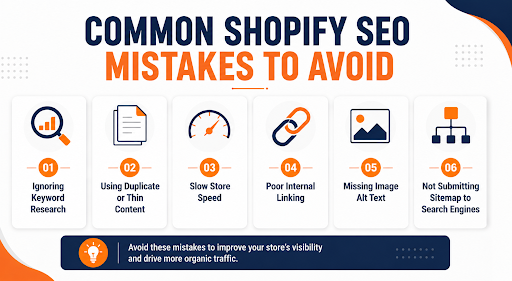
Common Shopify SEO mistakes can limit your store’s search visibility and growth potential. These include ignoring keyword opportunities, publishing duplicate content, neglecting internal linking, using poorly optimized images, maintaining slow-loading pages, and failing to submit important pages for proper search engine discovery and indexing.
Conclusion
Success in ecommerce depends on having a strong digital presence that keeps your brand visible in an increasingly competitive marketplace. Investing in professional Shopify SEO Services can help create a foundation for sustained online growth and stronger brand recognition.
At Think Shaw, we take a tailored approach to every Shopify project, developing solutions that reflect the unique needs of each business. Our team is dedicated to providing reliable support, strategic guidance, and results-driven execution to help brands enhance their online presence. With Think Shaw as your partner, you gain access to experienced professionals dedicated to helping your Shopify store reach its full potential.
Contact Think Shaw today for tailored Shopify solutions, expert guidance, and dedicated support to help your business achieve lasting growth!
FAQ’s About Shopify SEO
Does Shopify automatically handle SEO for online stores?
Shopify includes several built-in SEO features, but they do not replace a comprehensive optimization strategy. Store owners still need to actively manage content quality, search visibility, technical settings, and competitive positioning to achieve stronger rankings.
What role does customer-generated content play in Shopify SEO?
Customer reviews, ratings, and user-generated content can contribute additional relevant information to product pages. This content may help improve page freshness, increase engagement, and provide search engines with more context about a product.
Can international Shopify stores benefit from SEO?
Yes. Stores targeting multiple countries can use localized content, regional targeting strategies, and language-specific optimization to improve visibility within different geographic markets and reach a broader audience.
Why do some Shopify product pages fail to rank despite being optimized?
Ranking depends on multiple factors beyond on-page optimization. Competition levels, backlink quality, search intent alignment, content depth, and overall site authority can all influence whether a page achieves strong search visibility.
How often should a Shopify store conduct an SEO audit?
Most stores benefit from a comprehensive SEO audit at least every few months. Regular audits help identify emerging issues, track performance changes, and uncover new opportunities based on search trends and store growth.