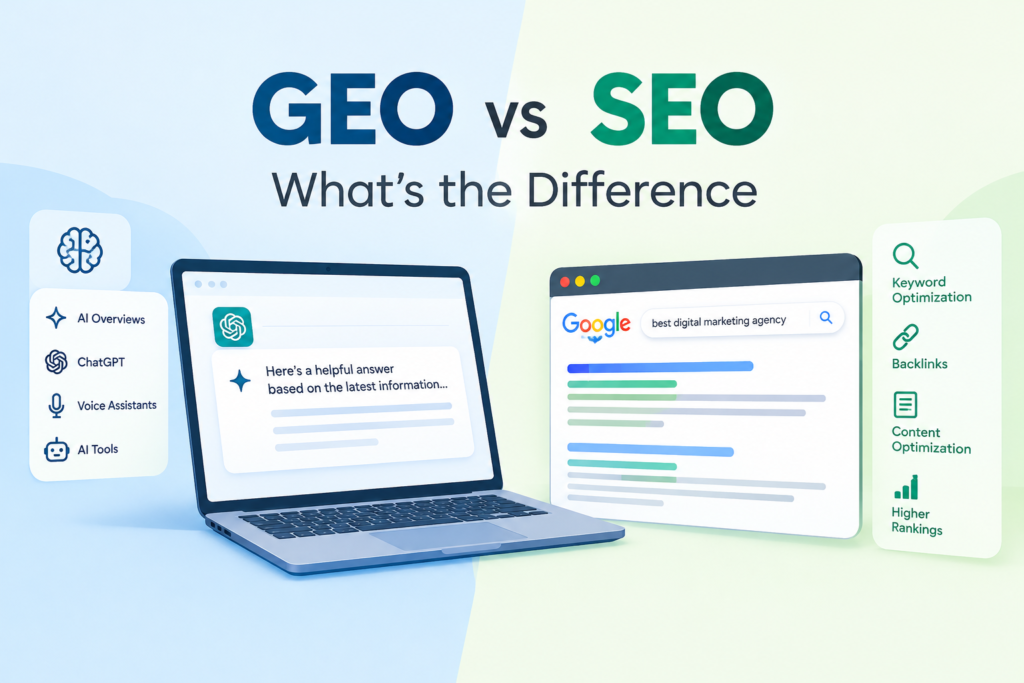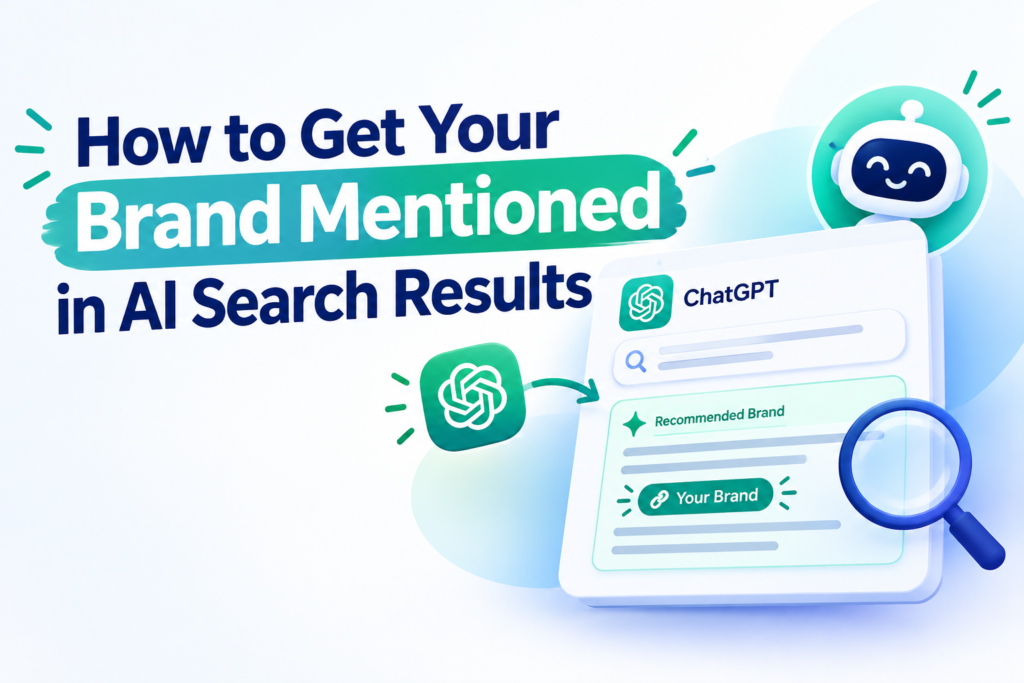
ChatGPT Search is changing how people discover information online, making it increasingly important for websites to be accessible to AI-driven search systems as well as traditional search engines. OpenAI states that OAI-SearchBot is used to surface websites in ChatGPT Search, while Google continues to evolve its Search systems and generative features. In 2026, Google has also introduced multiple Search updates, including the March and May 2026 core updates and August 2026 spam update, reinforcing its continued focus on useful, reliable content and search quality. As AI-generated answers become a larger part of search behavior, optimizing your website for ChatGPT Search means c easy for AI systems to interpret while continuing to follow established SEO best practices.
Here’s what to focus on when optimizing for ChatGPT Search.
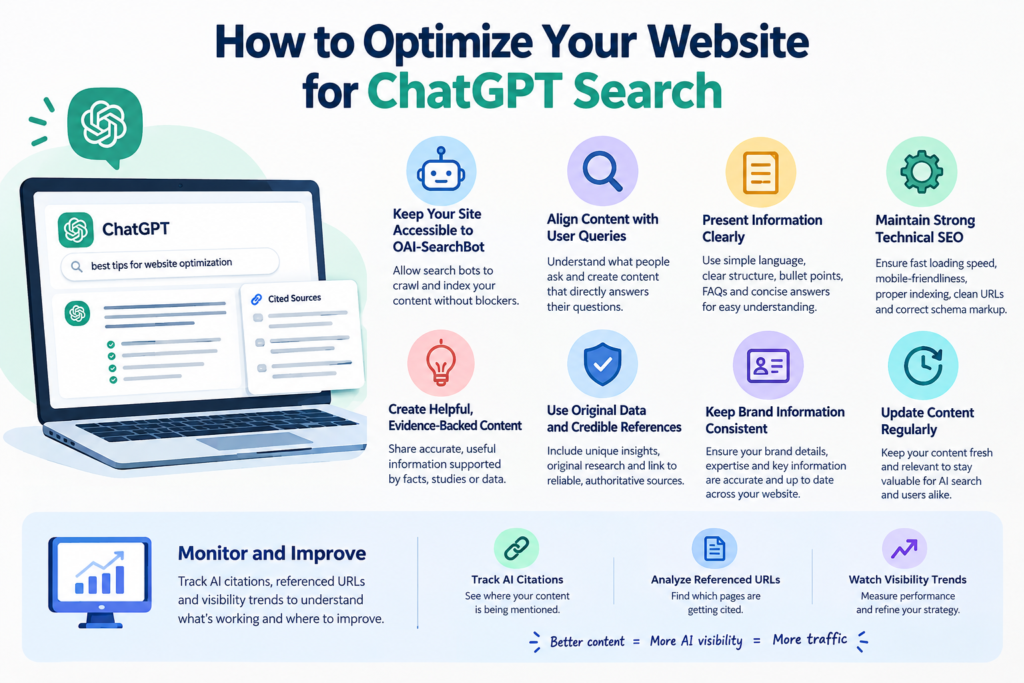
ChatGPT Search Optimization SummaryOptimizing for ChatGPT Search requires more than traditional keyword targeting. Websites should remain accessible to OAI-SearchBot, align content with user queries, present information clearly, and maintain strong technical SEO foundations. Helpful, evidence-backed content, original data, credible external references, consistent brand information, and regular updates can strengthen generative search visibility. Monitoring AI citations, referenced URLs, and visibility trends provides additional insight for ongoing optimization and content refinement. |
Understand How ChatGPT Search Finds and Uses Website Content
How ChatGPT Search Discovers and Retrieves Website Content
OpenAI uses OAI-SearchBot to discover websites that can appear in ChatGPT Search results. Website owners can control this crawler through robots.txt, and OpenAI recommends allowing it when they want their pages to be eligible for search visibility.
How ChatGPT Connects Content With User Queries
ChatGPT Search retrieves web sources based on the user’s query and uses relevant information to construct its response. This makes topical relevance important: pages should clearly communicate what they cover instead of relying on isolated keywords or vague wording.
Why Clear Information Helps AI Systems Use Your Pages
Well-organized content gives search systems clearer context about individual claims, topics, and entities. Google’s current guidance similarly emphasizes unique, useful content, logical organization, and clear headings for generative search experiences.
| Looking to strengthen your AI search presence? Build a website that is easier for modern search systems to discover, understand, and surface. |
Create Content That ChatGPT Can Understand and Cite
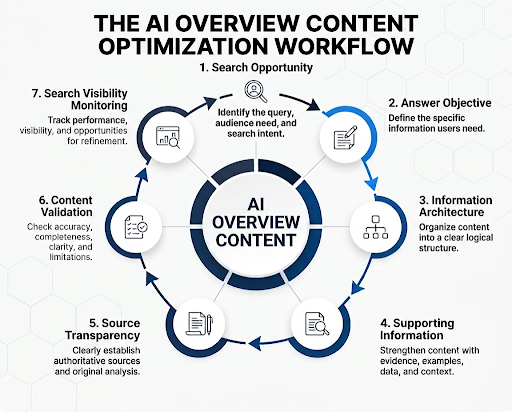
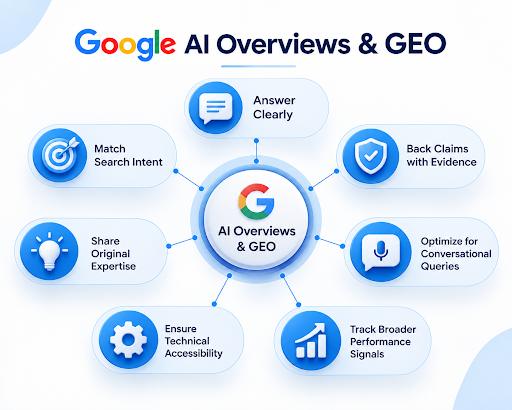
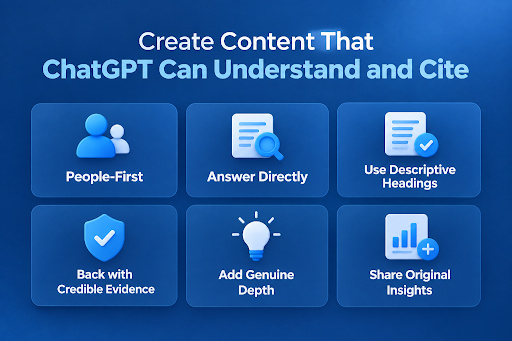
The strongest approach is to create content primarily for people while making important information easy to locate and interpret. Answer specific questions directly, use descriptive headings, explain concepts precisely, and support factual claims with credible evidence. Google’s 2026 guidance confirms that established SEO practices remain relevant to generative search, with emphasis on helpful, unique, reliable content rather than special AI-only optimization techniques.
Content depth also matters when it genuinely adds value. Cover the important aspects of a subject without padding pages with repetitive sections or artificially inserted keywords. Original research, first-hand observations, useful examples, and relevant data can give a page information that is more distinctive than generic summaries.
Strengthen Your Website’s Technical SEO and Content Signals
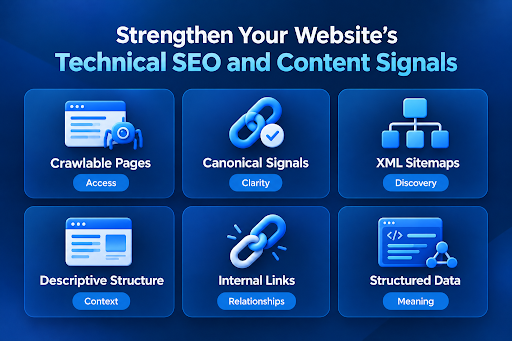
Technical accessibility determines whether valuable information can be discovered and processed in the first place. Keep important pages crawlable, maintain accurate canonical signals and XML sitemaps, use descriptive page structures, and make essential information available in accessible HTML. OpenAI specifically identifies OAI-SearchBot as the crawler responsible for surfacing websites in ChatGPT Search.
Beyond crawlability, strengthen the signals that clarify what each page represents. Consistent internal links, descriptive titles, meaningful headings, structured data where appropriate, and clearly associated entities can help search systems interpret page relationships. Google also states that standard SEO fundamentals continue to apply to its generative search experiences.
Build Authority and Optimize for Generative Search Visibility
Publish Information Worth Referencing
Original research, proprietary data, expert commentary, case studies, and genuinely useful findings can make a website more valuable as a source. Supporting important claims with reliable references also gives readers and AI systems clearer evidence to work with.
Strengthen Your Brand’s Wider Web Presence
AI visibility is not determined by on-page content alone. Relevant third-party references, consistent business information, industry publications, and credible mentions can contribute to a clearer understanding of a brand or entity across the web.
Keep Important Information Current
Outdated facts can weaken the usefulness of a source, particularly for subjects where prices, regulations, products, statistics, or processes change frequently. Microsoft’s 2026 AI Performance guidance specifically recommends keeping content fresh and accurate when improving visibility in AI-generated answers.
Monitor Where Your Content Appears
Generative-search visibility can be evaluated through citations and referenced pages rather than traditional rankings alone. Bing’s 2026 AI Performance reporting now shows cited URLs, grounding queries, citation activity, and visibility trends across supported AI experiences
Conclusion
ChatGPT Search is creating a new layer of visibility for businesses competing online. Strong AI search performance starts with accessible websites, useful and well-structured content, solid technical SEO, credible information, and consistent digital signals. As search continues to evolve, Think Shaw helps businesses adapt their SEO strategies for modern search experiences while keeping user value at the center. Strengthen your website’s foundation today and prepare your content for where search is heading next.
| Let us help you strengthen your website’s visibility across AI-powered search. |
Frequently Asked Questions About ChatGPT Search Optimization
Can any website appear in ChatGPT Search?
Yes. Public websites can appear in ChatGPT Search when they meet relevant access and search requirements, although inclusion and placement are not guaranteed.
Does ChatGPT Search send traffic to websites?
Yes. ChatGPT Search can link users to cited web pages, allowing publishers to receive referral traffic when users select those sources for additional information.
Does ChatGPT Search use backlinks to choose sources?
Backlinks can contribute to broader search visibility, but ChatGPT Search uses multiple factors to identify relevant and reliable sources rather than relying on backlinks alone.
Can images and videos help with AI search visibility?
Yes. Search guidance recommends supporting textual information with high-quality images and videos when they genuinely add useful context to the page.
Is FAQ schema required for ChatGPT Search?
No. There is no special schema required for AI search visibility. Structured data should accurately represent visible page content and support established SEO practices.