Local customers are no longer relying solely on traditional search results to find nearby businesses. AI-powered search is changing how people discover services, compare providers, and choose where to spend their money. Google confirms that its AI search features rely on established SEO fundamentals, including helpful content, technical accessibility, and accurate business information. If your business is not adapting to these changes, you could miss opportunities to connect with potential customers searching for your services.
This guide explains practical ways to improve local discoverability without relying on unsupported AI optimization tricks.
Local AI Search Optimization OverviewLocal businesses can improve AI search visibility by strengthening traditional SEO, maintaining accurate business information, and creating helpful, location-specific content. Technical accessibility, relevant structured data, genuine customer reviews, and credible local mentions support online discoverability. Demonstrating expertise through verifiable information builds trust, while Search Console and website analytics help measure performance. Adapting to evolving AI search experiences requires consistent improvements, reliable information, and a focus on meeting customer needs rather than chasing unverified ranking shortcuts. |
How to Build a Strong Local SEO Foundation for AI Search
Keep Your Google Business Profile Accurate and Complete
Complete and verify your Google Business Profile with your correct business name, address or service area, phone number, website, opening hours, and primary category. Add relevant services, genuine photographs, and updated holiday hours. Encourage honest customer reviews and respond professionally. Google identifies relevance, distance, and prominence as the main factors influencing local rankings, so your profile should accurately represent your business and the services it provides.
Make Your Website Technically Accessible to Search Engines
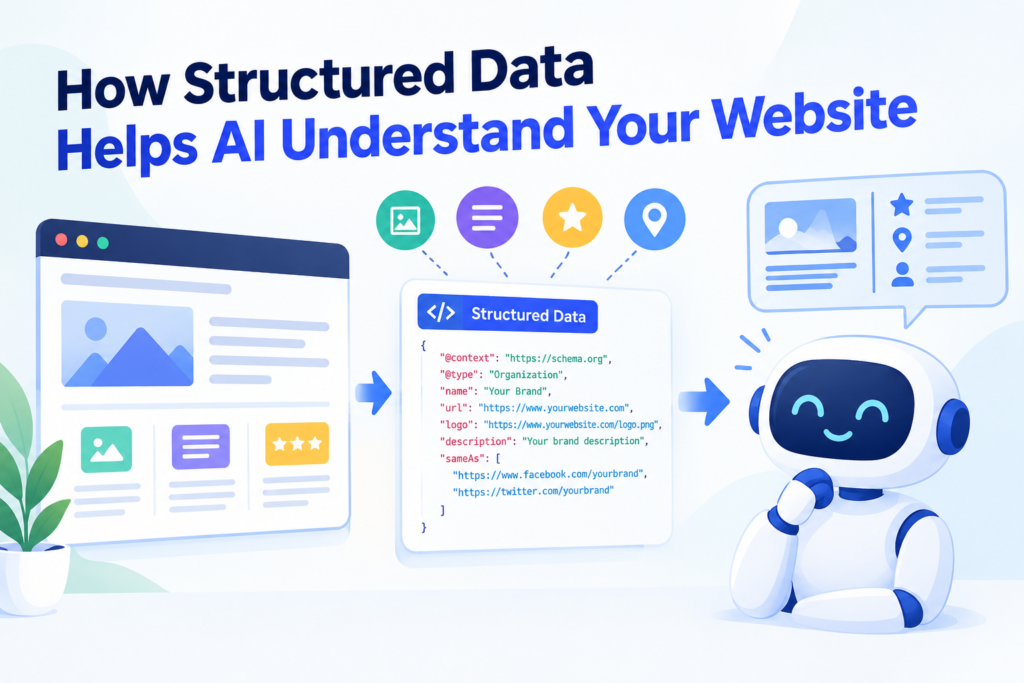
Ensure search engines can crawl and index your important service pages, location pages, and contact information. Check indexing reports in Google Search Console, submit an XML sitemap when appropriate, and use descriptive page titles and crawlable internal links. Implement relevant LocalBusiness structured data when it fits your business, validating that it matches visible page content. Structured data can help search engines interpret information, but Google does not require special schema to appear in AI search results.
How to Create Local Content That AI Search Can Understand and Recommend
Google recommends creating helpful, reliable, people-first content. Follow these practices to strengthen your local content
- Create distinct location pages: Explain service coverage, availability, and relevant local conditions for each area.
- Answer practical questions: Cover pricing factors, appointment requirements, preparation, eligibility, and expected timelines where relevant.
- Include first-hand experience: Use original project examples, case studies, photographs, and genuine customer scenarios.
- Write direct, natural answers: Use descriptive headings and concise explanations that address each question without keyword stuffing.
- Support factual claims: Cite official guidance for regulations, licensing requirements, and technical standards.
- Review outdated information: Update prices, service availability, policies, and local details when they change.
| Strong local search performance starts with a clear understanding of your market and audience. Think Shaw offers SEO expertise to help businesses identify growth and build a more competitive online presence. |
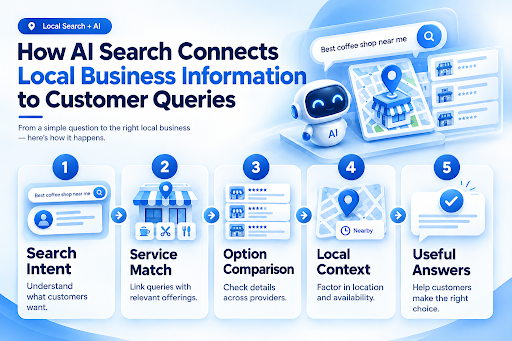
How AI Search Connects Local Business Information to Customer Queries
AI-powered search interprets customer questions and uses available business information to identify relevant local options. Understanding this process helps businesses present information that matches customer needs.
- Search Intent: Identify what customers are looking for.
- Service Match: Connect queries with relevant business offerings.
- Option Comparison: Assess available details about different providers.
- Local Context: Consider location and service availability.
- Useful Answers: Present relevant information to help customers make informed decisions.
How to Build Local Authority and Measure Your Visibility in AI Search
Earn Credibility Through Reviews and Relevant Local Mentions
Encourage genuine customer feedback without offering incentives for positive ratings. Respond to reviews professionally and address concerns constructively. Build relationships with relevant local organizations, industry associations, and community publications. Earn legitimate mentions through partnerships, useful contributions, and documented projects rather than buying links or manufacturing endorsements.
Demonstrate Expertise With Verifiable Business Information
Publish accurate staff biographies, relevant qualifications, applicable licenses, and examples of completed work. Explain your service process and the scope of projects without exaggerating results. Keep business details consistent across your website and important listings, and provide evidence for claims that influence customer decisions. These details help people assess your expertise and reliability, but no individual signal guarantees an AI recommendation.
Track Local Performance and AI Search Visibility Separately
Use Google Search Console to monitor queries, clicks, impressions, and page performance. Review Google Business Profile interactions and track AI referral traffic separately where possible. Google announced Generative AI performance reports in Search Console in June 2026, completing the worldwide rollout by August 31, 2026. These reports show impressions and pages appearing in generative AI search experiences.
Conclusion
Optimizing local businesses for AI search starts with a strong SEO foundation, accurate business information, useful local content, and credible online mentions. Consistent updates and performance tracking help businesses understand how customers discover their services and where improvements are needed. Think Shaw helps businesses strengthen their digital presence through strategic SEO practices tailored to their goals. By focusing on genuine expertise, technical accessibility, and customer-focused information, businesses can build lasting visibility across evolving search experiences.
| Strengthen your digital marketing strategy with Think Shaw’s expertise in SEO and evolving search trends. Contact our team to discuss opportunities for your brand’s online growth. |
FAQs About Optimizing Local Businesses for AI Search
How can local businesses appear in Google AI Overviews?
Publish original, helpful content that addresses customer needs, ensure pages are eligible for Google Search, and follow established SEO guidelines. Inclusion is not guaranteed.
How can small businesses optimize for ChatGPT local search?
Provide clear service details, publish useful information demonstrating real expertise, and maintain accurate business information across reputable sources. These practices may support discoverability but cannot guarantee recommendations.
Is Generative Engine Optimization (GEO) different from local SEO?
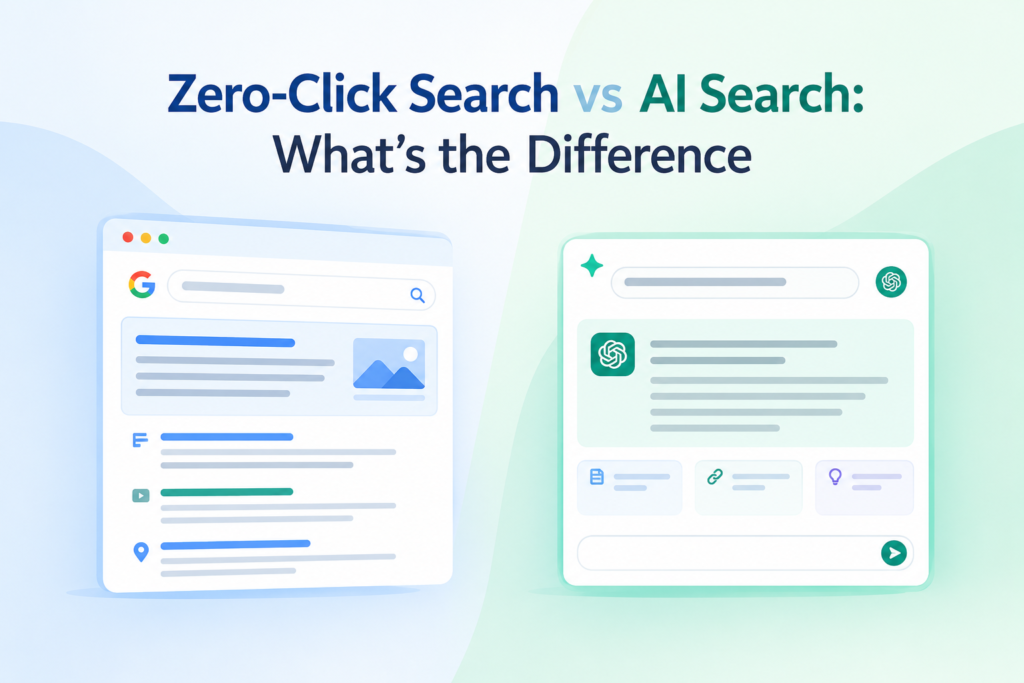
GEO focuses on visibility in AI-generated responses, while local SEO supports location-based discovery. Both benefit from helpful content, technical accessibility, and reliable information.
Does adding an llms.txt file improve local business visibility in AI search?
No. Google says llms.txt is not required for AI search visibility and does not improve Google Search rankings. Prioritize established SEO practices instead.
How can businesses measure whether AI search brings local customers?
Review available Search Console performance data, website analytics, referral sources, and lead conversions. Attribution may be incomplete, so assess trends across multiple data sources.