In today’s digital world, people search for information using conversational tools. That is why AI-powered search experiences are becoming more common for online discovery. Users increasingly ask detailed questions and expect answers that address their specific needs instead of writing short phrases. This shift is essential for businesses that want their websites to remain discoverable. Publishing well-written content is not enough if your information is difficult to locate, interpret, or verify. You must check how your content showcases expertise, answers customer questions, and connects with relevant topics. Exploring this guide will help you understand how AI search engines process and retrieve information, which can help marketers make informed decisions about content creation while maintaining quality and usefulness
Why Does Content Structure Matter in AI Search?
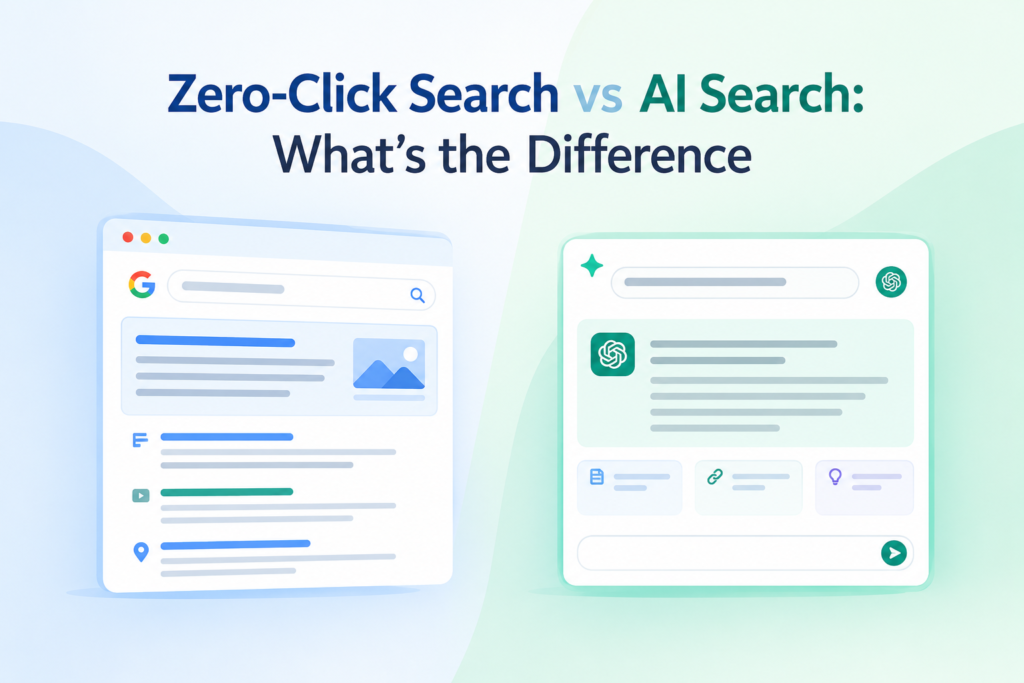
AI-powered search experiences can retrieve information across multiple sources and combine relevant details into generated responses. For example, Google AI Overview and AI Mode use Google Search systems to help users find and discover supporting webpages.
A reader experience becomes better when a page clearly explains its subject, supports claims, and provides related information. Having a clear structure of your content helps search engines understand your page’s purpose.
Moreover, Google’s guidance emphasizes helpful, reliable, and user-first content. Therefore, your business content must satisfy user needs rather than only producing pages to influence AI responses.
| Do you not know where to start to enhance your website discovery? Find a solution to strengthen your website’s search foundation. |
How to Create Content AI Search Engines Can Understand
1. Match Content to Real Search Questions
Keyword research is just a starting point for understanding search intent, but not the entire content. You must identify what potential customers want to achieve, what problem they face, and which details can help them make an informed decision.
For example, a person searching for website optimization services may want to know technical issues, expected deliverables, and how performance improvements will be measured.
Understand the intent of related queries and group them while creating the content. This method will help address each topic meaningfully, including supporting content optimization for AI search by connecting specific questions with relevant explanations.
Do not create multiple articles for every minor variation of the same question. Instead, you can develop comprehensive resources where related questions belong together, and create separate pages when the subject or use intent is different.
2. Answer Important Questions Directly
The content structure should not be such that readers need to move several paragraphs of background before getting an answer.
Before writing any section, provide a clear explanation, evidence, examples, and qualifications to support it. Suppose you are writing a blog on technical SEO audits; you should clarify what an audit examines before discussing other relevant subsections.
Question-based headings can make the page easier to navigate when they actually reflect genuine audience concerns. Write the content in a way that users can easily understand it, like short paragraphs, numbered steps for processes, comparison tables, etc.
3. Demonstrate Expertise and Trustworthiness
Providing general claims does not add value to the business. Having strong content with relevant details can help readers evaluate it.
As an example, writing an article about website indexing can include the difference between crawling and indexing, how noindex affects eligibility for search results, and where indexing issues usually happen.
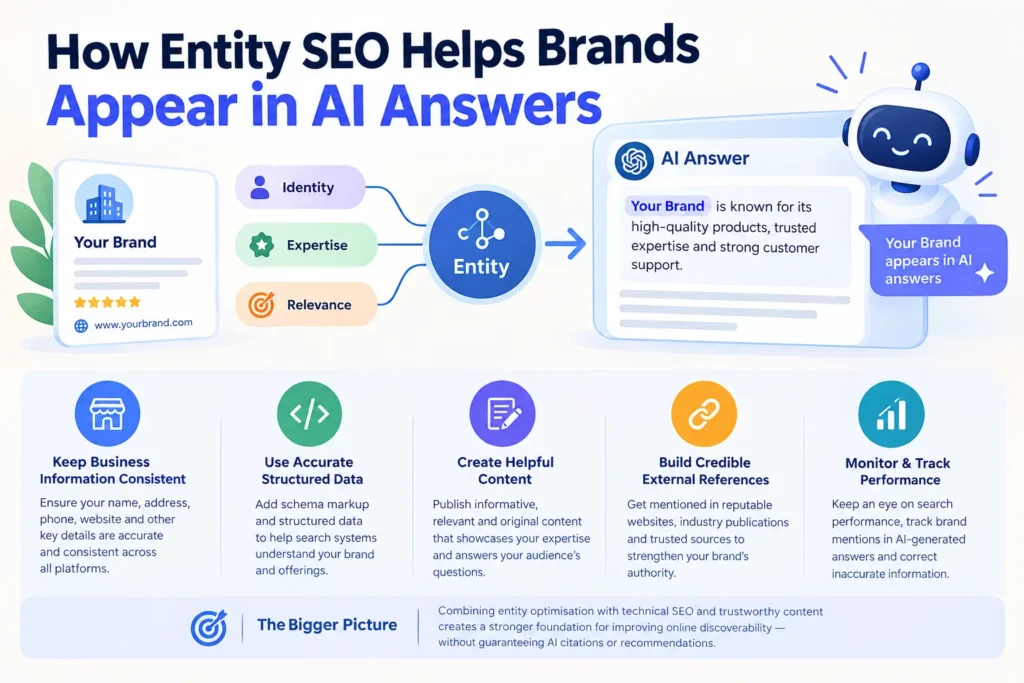
Always use original analysis, practical examples, and authoritative sources to support your important statements. These practices support AI-friendly content, which makes the information more specific and verifiable. It helps readers assess the credibility of the material.
4. Strengthen Internal Links and Technical SEO
A useful article should include other pages of the site to answer related questions. For example, an educational article on AI search can link to a detailed guide on optimizing content for Google AI Overviews. This helps users find the next practical topic, avoiding unrelated information in the current article.
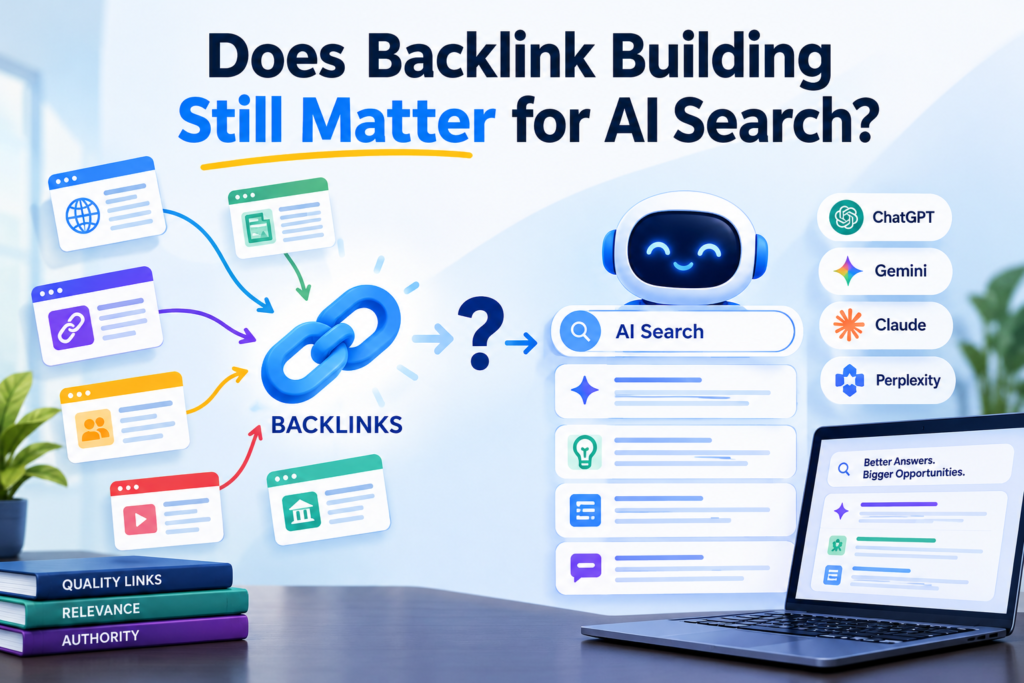
Also, include descriptive anchor text that directs to the destination. Link the article to relevant service pages and avoid links just to increase link counts. Follow an appropriate structure for the article to help users understand the topic one after another. Additionally, review your old pages to update outdated content, identify missing links, etc.
5. Review Technical Accessibility and Structured Data
Content quality cannot satisfy every technical obstacle. Your important pages should be easy to access by search crawlers, provide appropriate HTTP status codes, and prevent accidental indexing restrictions.
When you are facing any discovery or indexing problems, review robots.txt rules, noindex directives, canonical tags, XML sitemaps, and internal navigation. Ensure your essential information is available as readable text instead of explaining exclusively through visuals.
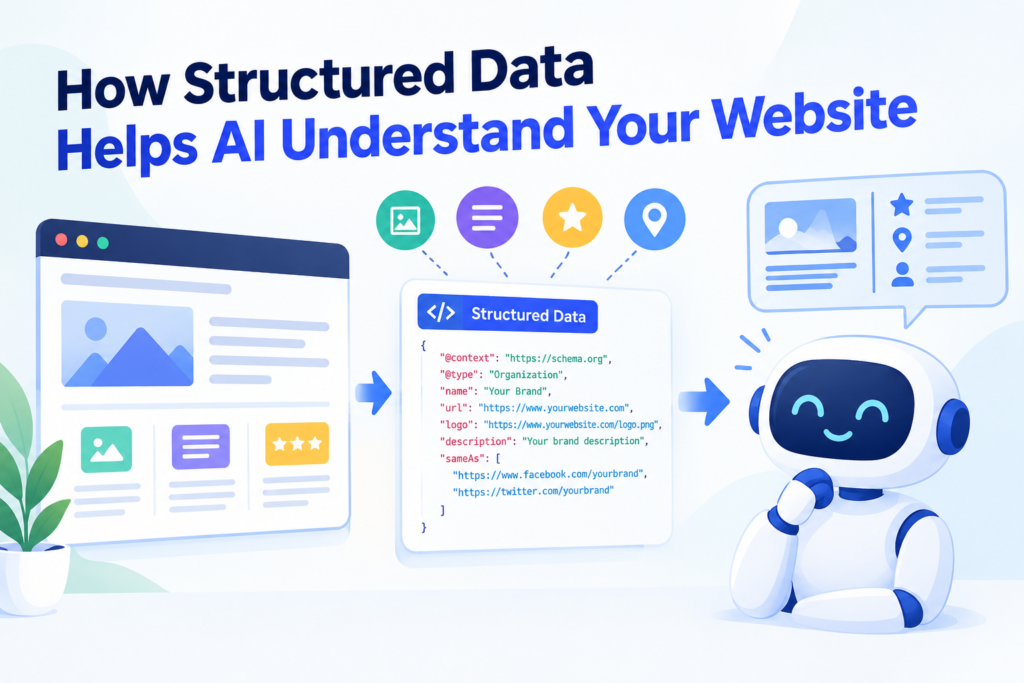
Structured data can easily clarify details about eligible content when it accurately reflects what visitors see. There is no special AI-specific schema markup for Google’s AI search features.
Established SEO fundamentals remain important for generative engine optimization (GEO). Additionally, make technical improvements to support accessible, accurate information rather than as a replacement for your content.
5 Ways to Make Content Easier for AI Search Engines to Understand
Explore five ways to make content easier for AI search engines to understand, including matching search intent, providing clear answers, demonstrating expertise, linking related webpages, and improving technical SEO accessibility through structured website elements and relevant content connections.
How Think Shaw Can Help Improve Content Performance
Think Shaw offers SEO services that contain keyword research, website analysis, on-page optimization, and technical SEO. This helps you identify content gaps, examine website structure, and prioritize improvements according to your search objectives.
We offer an approach after analyzing your website’s conditions, competition, industry, and target audience. However, content may need to be checked for technical fixes to make sure important pages are accessible and useful.
Conclusion
Creating a useful content does not need to insert keywords alone. Your business needs to answer specific questions, explain the ideas clearly, support claims with reliable evidence, and include relevant pages to be discoverable in AI search engines. At Think Shaw, we generate more useful content for readers and easier for search systems to interpret. Our main goal is to write content exclusively for machines, but to publish accurate, distinctive content that serves customer needs across different search experiences.
| Ready to bring your website’s organic search strategy? Get a tailored solution to strengthen your site |
Frequently Asked Questions About Creating Content for AI Search Engines
Does Think Shaw provide SEO services for e-commerce websites?
Yes, Think Shaw offers e-commerce solutions to enhance your digital store visibility, including optimization suited to product and category pages.
How can a business decide which page requires optimization first for AI search visibility?
Begin with pages that support business goals, such as core service pages, high-value informational articles, pages already attracting relevant organic traffic, etc. An SEO analysis improves the content based on its quality, search intent, and technical requirements.
How your services should be different from blog posts when targeting AI search?
Your service pages should include what a business offers, whom it serves, and what customers can expect. Meanwhile, blogs should explore questions, processes, comparisons, and issues in more depth.
When should you update an existing article instead of publishing a new one?
Update an existing article when it targets the right topic but lacks accurate information, strong examples, or thorough coverage.
How can I keep my information consistent across service pages and supporting articles?
Maintain consistent service names, terminology, descriptions, and factual claims throughout the website. Once services change, review your related pages to avoid conflicts or outdated information in blog posts and landing pages.