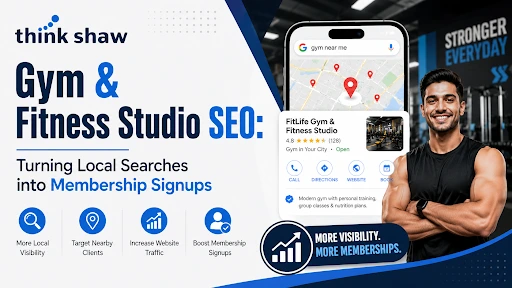
You already know the frustrating part: someone in your neighborhood is searching for a gym right now, and there’s a good chance they’re finding your competitor instead of you. That’s not bad luck; it’s SEO for Gyms working against you instead of for you. Gym SEO isn’t about chasing algorithms; it’s about making sure that when someone nearby types “gym near me” or “fitness center open now,” your name shows up first, your reviews look trustworthy, and your website makes it easy for them to book a trial on the spot. This guide walks through exactly how Local SEO for Gyms, a strong Google Business Profile, and a website built for signups, not just browsing, turn everyday searches into paying members.
| Gym & Fitness Studio SEO Guide |
| You already know the frustrating part: someone in your neighborhood is searching for a gym right now, and there’s a good chance they’re finding your competitor instead of you. That’s not bad luck; it’s SEO for Gyms working against you instead of for you. Gym SEO isn’t about chasing algorithms; it’s about making sure that when someone nearby types “gym near me” or “fitness center open now,” your name shows up first, your reviews look trustworthy, and your website makes it easy for them to book a trial on the spot. This guide walks through exactly how Local SEO for Gyms, a strong Google Business Profile, and a website built for signups, not just browsing, turn everyday searches into paying members. |
Why Your Gym’s Google Visibility Matters More Than You Think
Think about how you’d search for a gym if you were new to town: you’d pull out your phone, type “gym near me,” and pick from whatever shows up first. That’s exactly how most of your future members are finding you, or finding someone else instead. Fitness SEO exists because that split-second decision happens before anyone ever walks through your door, and if your listing looks outdated or your website buries your pricing, you’ve already lost that person to a competitor.
- Most people decide within days, not weeks; they’re not researching gyms for a month, they want to join something now
- Showing up in the map results (the three listings under the map) often matters more than ranking on your website alone
- People check your reviews and photos before they check your class schedule
- If your site is slow or hard to use on a phone, they’ll close it and try the next gym on the list
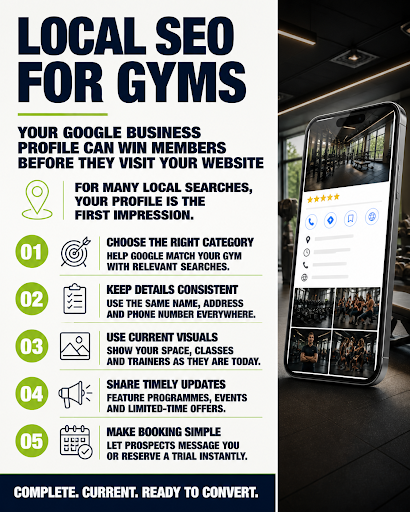
Your Google Business Profile Is Doing More Selling Than Your Website
Here’s something most gym owners don’t realize: more people see your Google Business Profile than ever visit your actual website. That little box with your hours, photos, and reviews is often the entire first impression, and if it’s incomplete or hasn’t been touched in months, you’re quietly losing members every week without knowing it.
- Make sure your gym is listed under the right category (Gym, Yoga Studio, CrossFit Box, Martial Arts School) so you show up for the right searches
- Keep your hours, address, and phone number exactly the same everywhere online; mismatched info confuses both Google and potential members
- Upload real, recent photos of your space, your classes in action, and your trainers; stock photos and old pictures make people scroll past
- Post your current promotions or new class launches directly through Google so they appear right in search results
- Turn on messaging or booking links so someone can reach out or book a trial without ever leaving the search page
Showing Up in the Map Pack (Not Just Buried on Page Two)
If you’ve ever searched for your own gym and seen a competitor pop up first, you know exactly how much that stings. Landing in that top three-listing map pack is often worth more than any other part of your online presence, because that’s where most local searches end.
| What Affects Your Map Ranking | Why It Matters to You |
| Consistent business info everywhere online | Confusing or mismatched listings quietly hurt your trust with Google and with customers |
| How many recent reviews you have | A steady stream of fresh reviews tells Google, and people, that you’re active and worth choosing |
| Pages for each location you serve | If you have multiple locations or serve several neighborhoods, each one needs its own presence, not one generic page |
| How you phrase things on your site | Writing the way real people search (your area, your specialty) helps you show up for the right searches |
| How close you are to the person searching | This one you can’t control directly, but everything else on this list helps you compete even when you’re not the closest option |
Turning Reviews Into Your Best Sales Tool
You’ve probably felt this yourself as a customer: before trying a new gym, you check the reviews first. Your potential members are doing the exact same thing, which means your reviews are quietly doing sales work for you 24 hours a day, or working against you if they’re outdated or unanswered.
- Ask happy members for a review right after a win, finishing a tough class, hitting a goal, or signing up for the first time
- Reply to every review, good or bad; it shows you’re actually running an active, hands-on business
- Never try to hide or block negative reviews from showing up; it’s against the rules and it usually backfires
- Pull your best reviews and put them right on your website where someone deciding to sign up will actually see them
Making Your Website Actually Close the Sale
Getting someone to click on your gym is only half the job; if your website doesn’t make it dead simple to book a trial or ask a question, you’ve done all that work for nothing. Gym Website SEO isn’t just about showing up in search; it’s about what happens the moment someone lands on your page.
- Give each of your programs, personal training, group classes, memberships, its own page instead of cramming everything onto one “services” page
- Put your pricing and a clear “book a trial” button where people can see it immediately, not buried three clicks deep
- Make sure your site loads fast and looks good on a phone, since most people are searching for you on their phone, not a laptop
- Add your class schedule and hours in a way Google can read directly, so accurate info shows up right in the search results
- Put a booking option on every page, not just your contact page; don’t make people hunt for how to reach you
Content That Answers What People Actually Want to Know
Forget generic fitness blog posts nobody asked for. The content that actually helps you get members answers the real questions someone has before they walk in the door for the first time.
- Write a page for each specific program at each location instead of one vague “what we offer” page
- Introduce your trainers with their real certifications and experience; people want to know who’s actually coaching them
- Answer the awkward questions upfront: what if I cancel, how hard are the classes really, what should I expect on day one
- Share real transformation stories and community moments; this builds more trust than any list of features ever will
Why Trust Signals Matter More for a Gym Than Almost Any Other Business
People are trusting you with their money and their body; that’s a bigger leap of faith than most purchases, which is why showing you’re legitimate matters so much here.
- Show your trainers’ real certifications and experience clearly, not hidden in small print
- Use real, current photos and videos of your actual space and classes instead of stock imagery
- Keep your contact details and staff info easy to find and consistent everywhere online
- Highlight any press coverage, local awards, or partnerships that back up your credibility
Getting Found When People Ask Their Phone or an AI Assistant
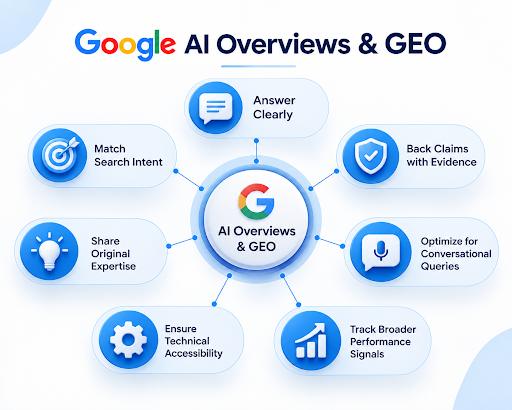
More people are just asking their phone or an AI assistant “what’s a good gym near me” instead of typing it into Google the old way. If your information online isn’t clear and accurate, these tools simply won’t recommend you, even if you’re the best gym in the area.
- Write your FAQ answers the way you’d actually talk to someone asking in person, not in stiff, formal language
- Keep your answers short and to the point; these tools usually grab the first clear sentence, not a whole paragraph
- Double-check that your hours, pricing, and class info are accurate everywhere, since AI tools pull directly from this
- Every so often, ask an AI assistant yourself what it says about gyms in your area, and fix anything that’s outdated or wrong
Mistakes That Are Quietly Costing You, Members, Right Now
- Treating your website like a brochure instead of a tool that actually gets people to book
- Letting your Google listing sit untouched for months with old photos and unanswered reviews
- Using the exact same generic page for every location instead of giving each one its own identity
- Making people call just to find out your prices; most will just try the next gym instead
- Ignoring how your site looks and loads on a phone, when that’s how almost everyone is finding you
Questions Gym Owners Ask Us All the Time
How fast will I actually see more people signing up?
Improvements to your Google Business Profile can start showing results within a few weeks, while deeper website and content work usually takes two to four months to fully kick in. Since people searching for gyms tend to act fast, better visibility often turns into signups pretty quickly once it starts working.
I only have one location, do I really need a blog?
Not really. A handful of solid pages answering real questions (pricing, what a first class feels like, cancellation policy) will do more for you than a blog full of generic fitness articles nobody’s searching for. Spend your time on pages that actually help someone decide to join.
Should I make a separate page for every class I offer?
Yes, if someone’s searching for “beginner spin class” or “kids karate,” a dedicated page for that exact thing will beat one crowded page trying to cover everything. It also gives people a clearer sense of what they’re signing up for.
Do reviews really make that much of a difference?
More than most gym owners expect. How many reviews you have, how recent they are, and whether you respond to them all directly affect whether you show up in that top map pack. A steady trickle of new reviews beats one big push that fizzles out.
Is it worth worrying about AI assistants and voice search?
Yes, more people are asking their phone or an AI tool directly instead of typing a search. If your hours, pricing, and class details are accurate and easy to find online, you’re far more likely to get recommended when someone asks.
What’s the one thing most gym websites get wrong?
Hiding pricing or making people call just to get basic information. Most people ready to join will simply move on to a gym that makes it easy, so put your pricing and a clear next step right where people can see it.
Conclusion
Lasting growth comes from treating discovery as an ongoing business discipline rather than a one-time campaign. Measure which enquiries become memberships, listen to patterns in prospective-member conversations, and refine your message around the experience only your studio can deliver. That is how visibility becomes sustainable momentum for your business.
Think Shaw helps fitness businesses turn ambitious growth goals into focused digital strategies. Our specialists combine audience insight, persuasive brand storytelling, and performance-led execution to build a stronger commercial foundation, so your studio can attract members and grow with confidence. Ready to make your growth move count? Talk to us today for a tailored roadmap that matches your ambitions.
Gym & Fitness Studio SEO FAQs: Your Top Questions Answered
Is SEO better than paid ads for gym memberships?
SEO builds unpaid visibility that can compound over time, whereas paid search produces immediate placement but stops generating traffic when advertising spend ends.
Does a gym website need schema markup?
Structured data helps search engines interpret business type, services, locations, events, and offers. It can improve eligibility for richer displays, but cannot guarantee rankings.pushpress+1
How should gyms plan SEO around seasonal demand?
Build campaign pages well before predictable joining periods, such as New Year or back-to-school, then refresh messaging, offers, and measurement plans in advance.
Can website accessibility help a gym’s SEO?
Accessible navigation, descriptive labels, readable contrast, and captions improve usability for more visitors and can make pages easier for search engines to understand.
What should a gym competitor SEO audit include?
Compare competitors’ landing pages, referral links, content coverage, technical health, and conversion paths to uncover gaps worth prioritising rather than copying their entire strategy.