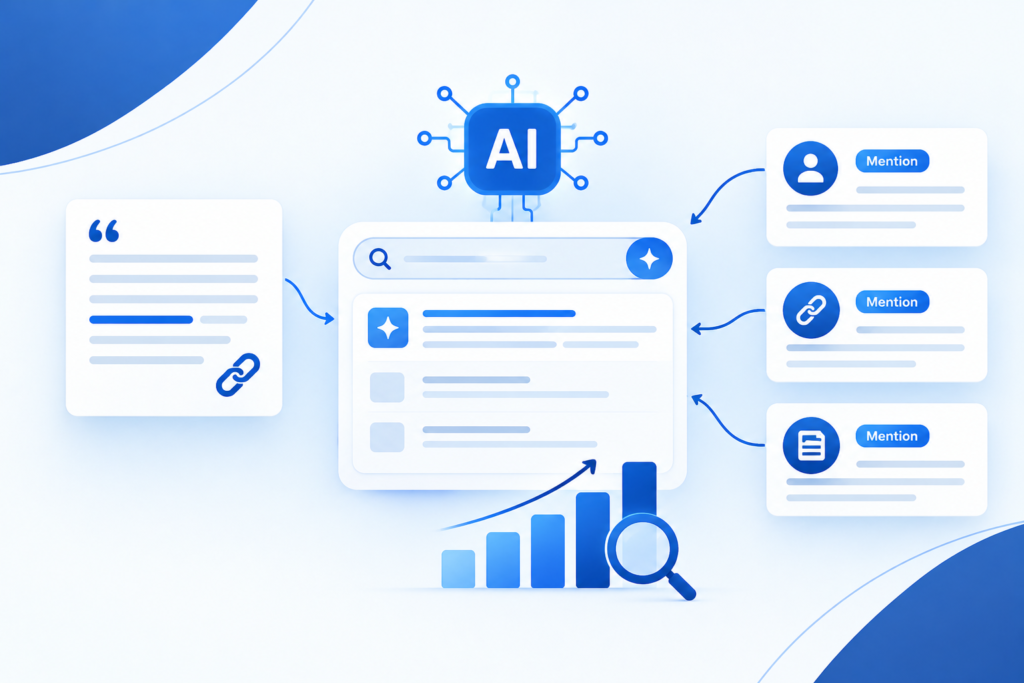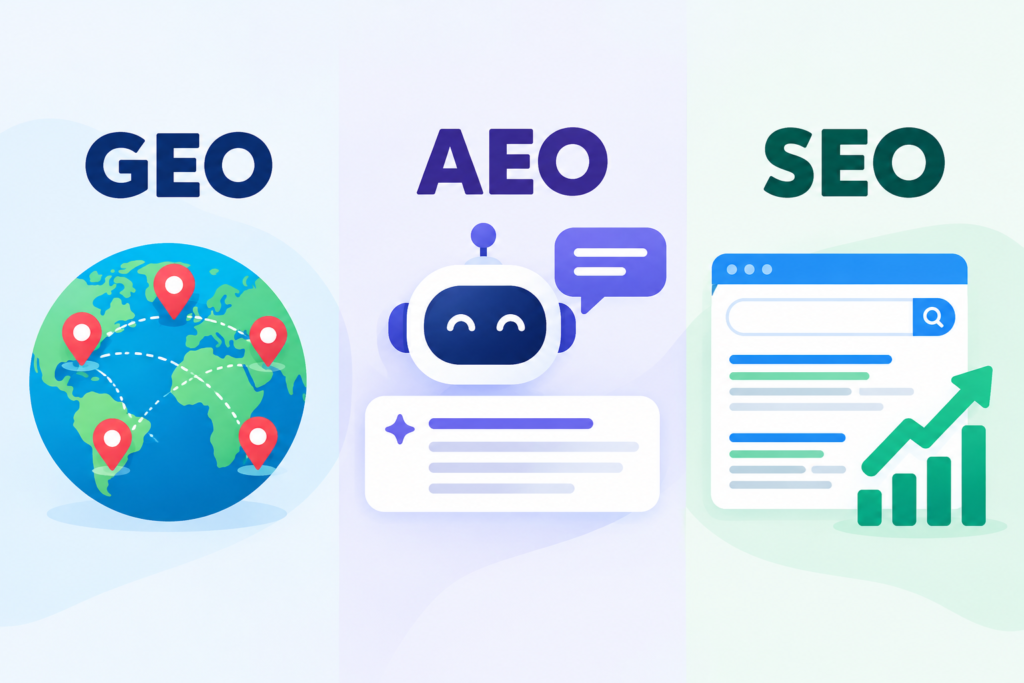
Generative Engine Optimization, or GEO, is emerging as a critical extension of digital visibility as users increasingly rely on AI platforms to deliver direct answers instead of traditional lists of links. GEO focuses on structuring and refining content so AI systems can understand, surface, and accurately represent your brand in generated responses, making it a natural evolution of SEO rather than a replacement for it. As this shift accelerates, brands need content that is factual, clearly organized, and grounded in real expertise, because answer engines favor concise language, trustworthy sources, and content that is easy to parse and summarize.
In the sections ahead, we will explore how Generative Engine Optimization works, why E-E-A-T matters, and what practical steps can help brands earn stronger visibility in AI answers.
Generative Engine Optimization (GEO) OverviewGenerative Engine Optimization helps brands become more visible in AI-generated answers by making content clear, credible, structured, and easy for answer engines to interpret. Strong GEO depends on factual writing, topical authority, technical SEO, consistent brand signals, third-party mentions, and updated pages that reflect real expertise. When combined, these efforts improve brand discoverability, strengthen trust, support qualified traffic, and create better opportunities for conversions and long-term digital growth. |
What Is Generative Engine Optimization (GEO) and Why Does It Matter for Brand Visibility?
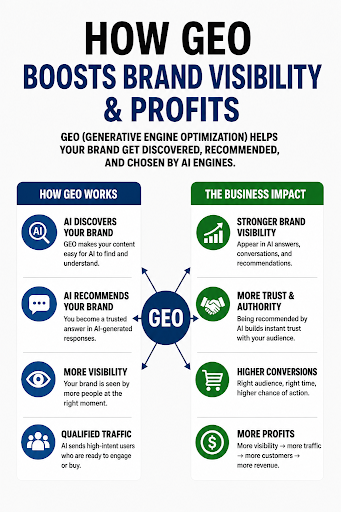
Generative Engine Optimization (GEO) is the process of shaping your content and digital presence so AI tools can understand, trust, and include your brand in generated answers.
As per Google, it matters for brand visibility because people now use AI platforms for research, comparisons, and recommendations, which means brands that appear in those answers can gain more authority, qualified traffic, and buying consideration, while brands that are not cited may be overlooked entirely. GEO in SEO extends traditional SEO by focusing less on rankings alone and more on making your brand clear, credible, and easy for AI systems to summarize accurately.
How Does GEO Help Brands Appear in AI Answers?
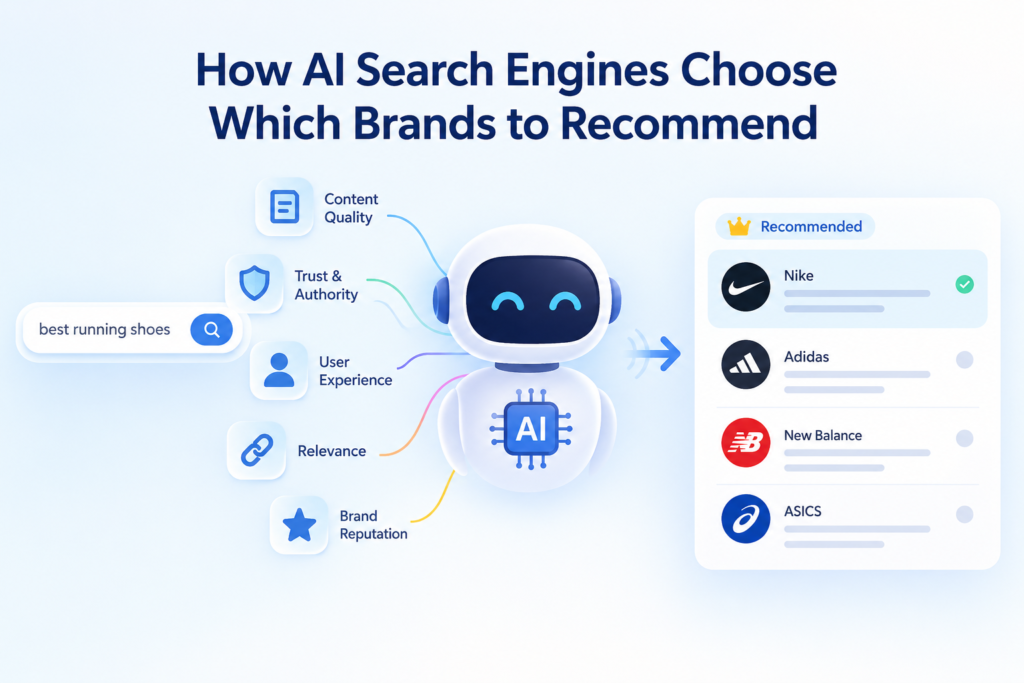
Generative Engine Optimization helps brands appear in AI answers by making their content easier for AI systems to find, understand, verify, and reuse in generated responses. Here’s how that happens:
How does AI select sources?
Google says its generative AI features rely on retrieval-augmented generation, which pulls relevant and up-to-date pages from Search and then uses specific information from those pages to build a grounded response. It also uses “query fan-out,” meaning one user question can trigger several related AI search visibility, so brands with content that covers connected subtopics clearly have more chances to surface in the final answer.
Because of this, brands do not win GEO by ranking for one keyword alone; they win by being consistently relevant across a topic cluster and by offering content that can support multiple related questions. AI systems are looking for pages they can interpret confidently, extract from accurately, and connect to the user’s real intent.
Read Also: AI + Human SEO
Content signals
Helpful, non-commodity content is one of the strongest ways GEO improves AI visibility because AI agents and ecommerce are more likely to use material that adds original value instead of repeating common information. Google specifically recommends
- Unique points of view
- First-hand experience
- Content organized with clear sections and headings
All this makes information easier for both people and AI systems to process.
What Are the Best GEO Strategies to Improve Your Brand’s AI Presence?
The best Generative Engine Optimization strategies improve your brand’s AI presence by making your content more useful, more citable, and easier for AI systems to trust across search, chat, and recommendation experiences. Here are some powerful strategies to achieve this:
Measure AI visibility
AI visibility measurement means checking how often, how accurately, and in what context your brand appears inside AI-generated answers across platforms like Perplexity, Gemini, Google’s AI features, and ChatGPT brand visibility. To do this, list the real questions your audience asks, run those prompts across major AI tools, document whether your brand is mentioned or cited, compare your presence against competitors, and repeat the process monthly so you can track changes over time instead of relying on guesswork.
Keep SEO strong
Traditional SEO remains the foundation of GEO because AI systems still depend heavily on crawlable, indexable, high-quality web content drawn from search ecosystems. To do this well, maintain technical SEO, improve page experience, keep important pages accessible to crawlers, strengthen internal linking, and continue building authoritative backlinks so your site stays visible and usable for both search engines and AI retrieval systems.
Create citable content
Citable content is content written in a way that AI systems can easily extract, trust, and reuse in generated answers, especially when it includes clear claims, definitions, examples, and original insight. To do this, write direct answers to specific questions, use factual statements instead of vague marketing language, include first-hand expertise or unique data, and structure each section so one useful idea is easy to identify and quote.
Use a clear structure
Clear structure means organizing content so both users and AI systems can quickly understand what the page is about and where the most useful information is located. To do this, use descriptive headings, short paragraphs, numbered steps, bullet points, FAQ sections, and logical content flow, because AI tools are more likely to pull answers from pages that are easy to scan and interpret.
Build topical authority
Topical authority means showing deep, consistent expertise around a specific subject instead of publishing scattered content across unrelated themes. To build it, create clusters of related articles, guides, FAQs, and case studies around your core service or product area, interlink them properly, and keep publishing around the same strategic topics so AI systems begin to associate your brand with subject-level expertise.
Strengthen entity signals
Entity signals help AI systems understand exactly who your brand is, what it offers, and how it relates to products, services, and industry topics across the web. To do this, keep your brand name, description, logo, social profiles, organization details, and positioning consistent across your website, LinkedIn, directories, and third-party listings, so AI tools do not create confused or incomplete summaries of your business.
Earn third-party mentions
Third-party mentions are references to your brand on trusted websites, review platforms, media publications, forums, and industry roundups, and these mentions help AI systems treat your brand as more credible and established. To do this, pitch expert commentary, publish original research, seek inclusion in reputable “best of” or comparison articles, and maintain active profiles on review sites such as G2, Capterra, Clutch, or relevant niche directories.
Show up in communities
Community visibility matters because AI tools increasingly surface information from discussion-driven platforms where real users compare products, share experiences, and ask recommendation-based questions. To do this, identify the forums and subreddits your audience already uses, contribute genuinely before promoting anything, answer questions honestly, and build a credible participation history so your brand appears in authentic discussions that AI systems may later reference.
Refresh key pages
Content freshness matters in GEO because AI systems are more likely to rely on pages that appear current, accurate, and actively maintained. To do this, regularly update core landing pages, blog posts, comparison pages, and FAQs with new examples, revised statistics, better explanations, and current positioning so outdated information does not weaken your brand’s visibility in AI answers.
Track brand representation
Tracking brand representation means monitoring not just whether your brand is mentioned, but also whether AI describes it correctly, favorably, and in the right competitive context. To do this, review AI responses for sentiment, wording, positioning, and source patterns, then use those findings to refine your site copy, correct off-site inconsistencies, improve citations, and strengthen the pages or platforms that most influence how AI tools talk about your brand.
Conclusion
Generative Engine Optimization is no longer optional for brands that want to stay discoverable as AI-driven search continues to reshape how people find and trust information. Businesses that invest in accurate, structured, and experience-led content will be better positioned to earn visibility in AI answers and turn that visibility into meaningful growth. At Think Shaw, we help brands strengthen their digital presence through strategic SEO, high-quality content, and performance-focused marketing services designed to improve authority, engagement, and long-term results in an AI-first landscape.
Contact us today to strengthen your brand’s presence in the AI-first search landscape.
FAQs
Is GEO replacing traditional SEO?
No. GEO complements SEO by helping brands appear in AI-generated responses, while SEO still supports rankings, crawlability, and discoverability across traditional search engines.
Do backlinks still matter for GEO?
Yes. Backlinks still matter because they strengthen authority and trust, which can improve both traditional rankings and the likelihood of being cited in AI-generated answers.
Do I need special tools for GEO?
Not always, but dedicated GEO tools can help monitor AI mentions, citations, sentiment, and visibility trends across platforms more efficiently than manual checks alone.
Should I hire an agency for GEO?
An agency can help if you need strategy, content, technical improvements, and AI visibility tracking, especially when your team lacks time or specialized GEO expertise.
Will GEO help my brand get more leads or sales?
GEO can support lead generation by improving visibility in high-intent AI searches, especially when customers are actively comparing services, products, pricing, or solutions.