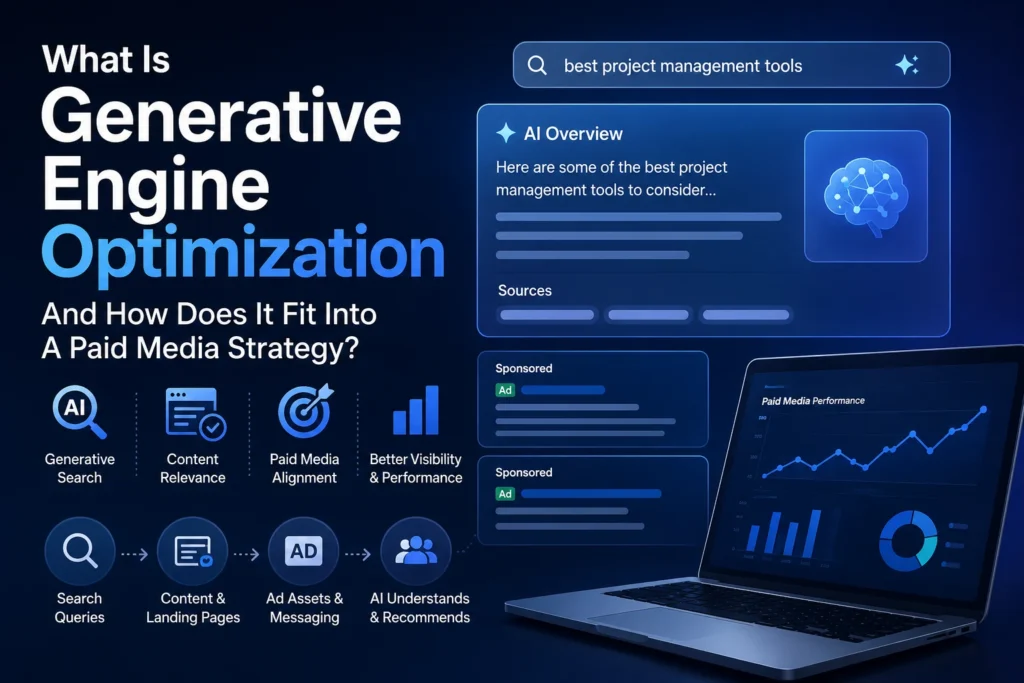
With AI-powered search experiences increasingly answering queries directly, the way people discover brands, products, and information is changing. This is where Generative Engine Optimization (GEO) enters the picture. Generative Engine Optimization (GEO) is the practice of shaping content so generative engines can understand, trust, and potentially reference it in AI-generated responses. But where does GEO fit into a paid media strategy? Rather than replacing paid search, GEO can complement it by strengthening organic visibility and brand presence around the same topics, queries, and customer journeys targeted through paid campaigns. This ultimately creates an opportunity to align content, paid messaging, and audience intent more effectively. Therefore, through this blog, we’ll explore what GEO means and how it can complement a modern paid media strategy.
AI Summary
GEO’s Role in Paid Media and Google AI OverviewsEngine Optimization helps brands structure and strengthen digital information so generative search experiences can interpret the brand accurately and potentially reference its content. Within paid media, GEO can support stronger message consistency between search queries, landing pages, advertising assets, and informational content. Google currently allows eligible Search, Shopping, and Performance Max ads to appear above, below, and, in supported markets and contexts, within AI Overviews. |
What Is Generative Engine Optimisation?
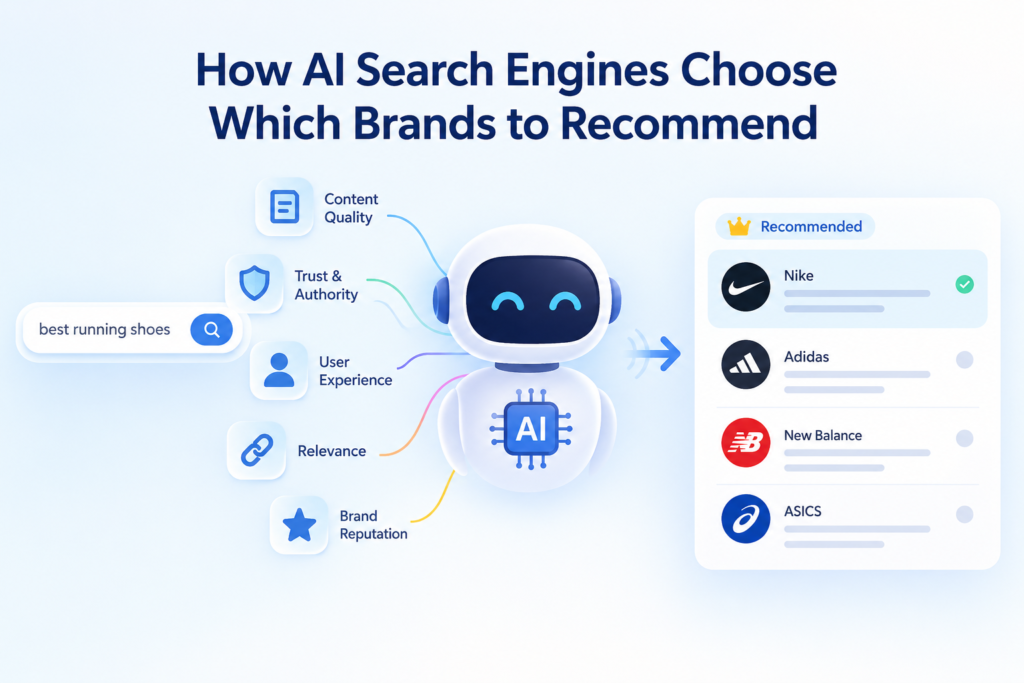
Generative Engine Optimization is the practice of improving online content for search experiences that generate answers instead of simply returning ranked webpages. GEO places greater emphasis on:
- Entity clarity
- Factual consistency
- Contextual depth
- Source quality
- Answer-ready information
A GEO-focused page should make it straightforward for an AI system to determine what an organisation offers, which audience it serves, what differentiates it, and which claims are supported by evidence. Generative systems select and synthesise information differently from conventional search results, and visibility depends on the system, query, context, and available sources.
Why Generative Visibility Matters for Paid Search
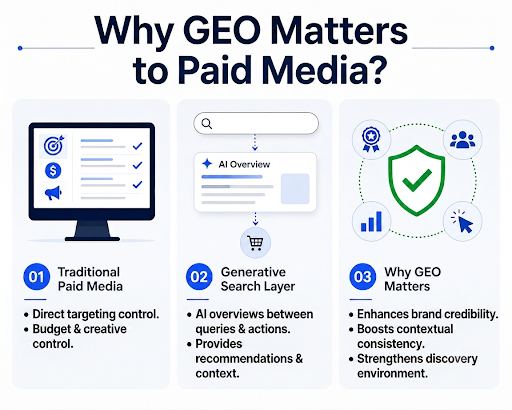
Paid media can put a brand in front of the right audience, but today’s customers often need more context before they are ready to act. GEO therefore matters to paid media because it can strengthen the informational credibility and contextual consistency surrounding paid demand. This becomes especially valuable for complex or high-consideration searches, where users may compare options, explore solutions, and seek answers before clicking an ad.
How GEO Fits Into a Paid Media Strategy
- Treat GEO as the discovery layer: GEO can strengthen how a brand’s information is understood across AI-assisted search, while paid media provides controlled opportunities to reach users with stronger commercial intent.
- Connect the customer journey: A practical structure follow the sequence: search demand, AI-assisted discovery, paid message, conversion page, allowing informational discovery and paid acquisition to support different stages of the same decision process.
- Align content with commercial searches: For a software company targeting “best inventory management software for multi-location retailers,” paid campaigns can target high-intent variations. Whereas GEO content addresses comparisons, features, implementation considerations, and use cases.
- Maintain message consistency: The terminology and value propositions used across GEO content, advertisements, and landing pages should remain aligned, creating a clearer transition from research to conversion.
- Support AI-assisted ad relevance: Google explains in About text customization in search campaigns that its text customization in search campaigns can generate additional headlines and descriptions using contextual signals including the domain, landing page, existing ads, and keywords. Google says these assets are intended to make ads more relevant to users’ search queries.
| Build stronger AI search visibility with ThinkShaw’s GEO strategy, aligning your content, paid campaigns, and customer journey for evolving search. |
Key Ways to Combine GEO With Paid Media
Build Content Around Commercial Questions
Use paid-search query data to identify questions that appear before purchase. Turn those questions into useful pages, comparison content, FAQs, definitions, and decision-support resources. This gives informational discovery a clear connection to measurable commercial demand.
Align Landing Pages With Search Intent
A landing page should answer the specific problem implied by the advertisement rather than simply repeat promotional language. Strong topical alignment helps users move from an AI-generated explanation or search result to a page that directly addresses their next question.
Use Paid Data to Prioritise GEO
Paid campaigns generate valuable signals about which queries produce clicks, leads, sales, or qualified traffic. Use that data to prioritise GEO content around commercially meaningful topics instead of creating large volumes of disconnected informational pages.
Maintain Consistent Entity Information
Keep product names, services, terminology, specifications, locations, and core claims consistent across landing pages, supporting content, business profiles, and advertising assets. Consistency reduces ambiguity when systems interpret information from multiple sources.
Connect Informational and Transactional Content
Do not isolate educational GEO content from commercial pages. Create logical pathways between explanatory resources and relevant product or service pages so users can progress naturally from understanding a problem to evaluating an option.
Measure Beyond Traditional Ad Metrics
Paid media should still be evaluated through established metrics such as conversions, acquisition cost, revenue, and return on ad spend. GEO requires additional observation, such as whether important brand questions generate accurate AI-generated descriptions, whether your content is being referenced, and whether organic informational traffic contributes to assisted conversions.
Google’s current advertising documentation also provides reporting for AI-powered features. In How AI Max for Search campaigns work, it explains that advertisers can use performance and contextual reporting to evaluate AI Max features and their impact on campaign performance.
Google currently does not provide segmented reporting specifically for ads appearing within AI Overviews, so advertisers should avoid treating AI Overview placement as a standalone performance channel in reporting.
Conclusion
GEO is becoming an important consideration for brands adapting to AI-led search, while paid media continues to provide measurable opportunities to reach high-intent audiences. ThinkShaw helps businesses navigate this shift through GEO and paid media solutions designed around their evolving search needs. Our team helps businesses build a more resilient strategy for how customers discover, evaluate, and choose them.
| So, here is your solution to strengthen your paid media strategy with ThinkShaw’s intent-led campaigns, relevant landing pages, and content built. So start your evolving search journey. |
FAQs About GEO and Paid Media Strategy
Can GEO help reduce wasted ad spend?
GEO can help answer pre-click questions more clearly, potentially filtering out poorly matched visitors before they engage with paid campaigns.
Can paid ads appear in Google AI Overviews?
Yes. Google says eligible Search, Shopping, and Performance Max ads can appear above or below AI Overviews, while ads within AI Overviews are available in selected markets and contexts.
Is GEO useful for local paid advertising campaigns?
Yes, particularly when customers use conversational searches to evaluate local providers, service areas, qualifications, pricing factors, or availability before contacting a business.
Should paid-search keywords determine GEO content?
They can be an important input, especially when they reveal commercially valuable questions and recurring user needs, but GEO planning should also incorporate broader customer questions and informational intent.
How should businesses start combining GEO with paid media?
Start by mapping high-value paid-search queries to the questions users ask before conversion, then build authoritative supporting content and connect each informational topic to the most relevant commercial landing page.